As the leaves begin to turn and temperatures drop, New Jersey homeowners start to think less about air conditioning and more about reliable heating. Fall is the perfect transition season for preparing your HVAC system.
With cold winters that can dip well below freezing, a proactive fall maintenance routine ensures your furnace, heat pump, or boiler will keep your home safe and comfortable when you need it most. Neglecting seasonal HVAC care often leads to higher energy bills, inefficient heating, and emergency breakdowns during the coldest nights of the year.
This comprehensive checklist outlines the essential steps New Jersey homeowners should take each fall to extend system life, maintain indoor comfort, and avoid costly repairs.
Replace or Clean Air Filters
Your HVAC filter is the first line of defense against dust, pollen, pet hair, and other particles that circulate indoors. A clogged filter restricts airflow, forces your system to work harder, and can trigger higher utility bills.
In New Jersey, autumn brings falling leaves and seasonal allergens that quickly build up in filters. Replacing or cleaning filters every few months not only improves system efficiency but also enhances indoor air quality, especially important as windows close for the season.
Inspect and Clean Vents & Ductwork
Even the most efficient HVAC system struggles if airways are blocked. Fall is the time to check supply and return vents for dust buildup, pet fur, or obstructions. A quick vacuuming or wipe-down keeps airflow moving freely.
If you notice musty odors, weak airflow, or visible debris in ducts, it may be time for a professional duct cleaning. Clean vents and ductwork improve efficiency and reduce allergens, which makes a noticeable difference as families spend more time indoors during the colder months.
Check Thermostat Settings
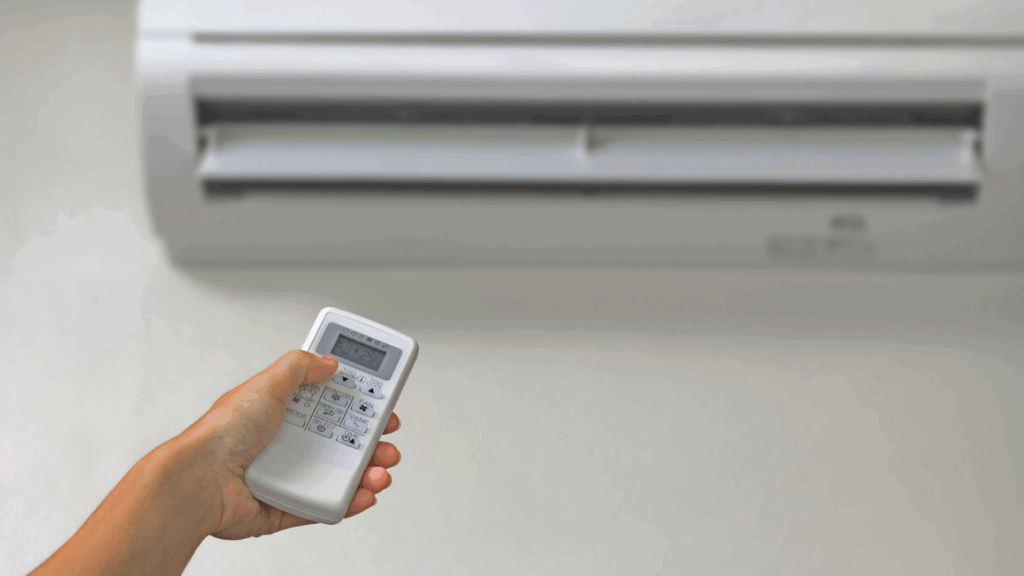
Before winter sets in, verify that your thermostat works properly and accurately controls the system. Running a short heating cycle in early fall ensures your furnace responds quickly and maintains the desired temperature.
This is also the ideal time to consider upgrading to a programmable or smart thermostat, which can help balance comfort and efficiency. In multi-story New Jersey homes, zoning systems can also be beneficial for preventing hot and cold spots while lowering utility bills.
Test the Furnace & Heating System
Running a “pre-season test” is one of the most important fall tasks. Don’t wait until the first frost to find out your furnace won’t start. Pay attention to unusual noises such as banging or squealing, and watch for excessive smoke or odd smells.
Some dust burning off is normal at the beginning of the season, but persistent odors could indicate problems. Monitoring how quickly the system reaches the thermostat setting gives you an early warning if the furnace is losing efficiency.
Schedule Professional Maintenance
While many tasks can be handled by homeowners, a licensed technician provides peace of mind through a deeper inspection. A fall tune-up often includes checking burners and ignition systems, inspecting heat exchangers for cracks, cleaning key components, and measuring system efficiency.
Professional maintenance helps prevent midwinter breakdowns and extends system lifespan. In New Jersey counties like Warren, Somerset, and Middlesex, where winters can be severe, this step is especially valuable.
Inspect Carbon Monoxide & Smoke Detectors
Heating systems that burn fuel, gas, oil, or propane carry the risk of carbon monoxide leaks. Because CO is odorless and deadly, detectors are essential for safety. Testing all CO and smoke alarms in the fall, replacing batteries, and ensuring units are within their recommended lifespan provide critical protection. Placing detectors on every floor, especially near bedrooms, ensures your family is alerted quickly if there is a problem.
Clear Outdoor Units
Although the cooling season is winding down, your outdoor unit still needs attention. Removing leaves, twigs, and other debris helps maintain airflow and protects the system from blockages. Keeping two feet of clearance around the unit reduces strain. If you cover the unit, choose a breathable cover to prevent trapped moisture. For homes with heat pumps, avoid full covers since the system may still run on milder winter days.
Seal Air Leaks Around Windows & Doors
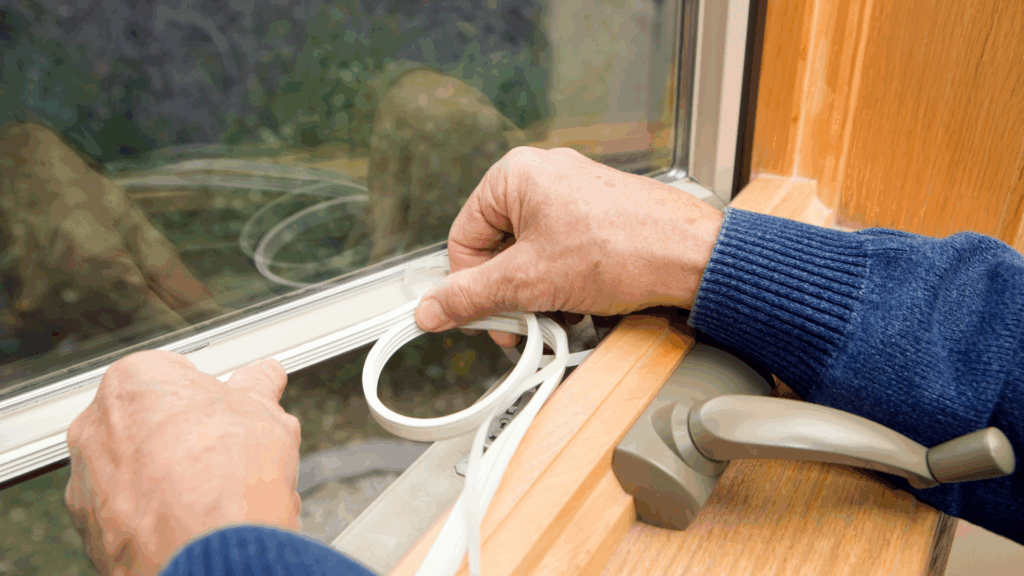
New Jersey’s older homes often lose heat through cracks and gaps. Fall is an ideal time to inspect for drafts and seal them before cold weather sets in. Applying weatherstripping to windows, installing new door sweeps, and sealing cracks with caulk can make a noticeable difference in comfort. Reducing drafts keeps warm air inside, lowers utility bills, and prevents your HVAC system from working harder than necessary.
Check Insulation in Attic & Basement
Insulation acts as a blanket for your home, keeping warm air in and cold air out. In the attic, insulation should be thick enough to cover joists and spread evenly across the floor. In basements, insulating rim joists and exposed ductwork prevent heat loss in unconditioned spaces. By improving insulation, you reduce strain on your HVAC system and create a more consistent indoor environment.
Review Energy Bills & Financing Options
Rising utility costs make it important to evaluate your home’s energy efficiency. Reviewing energy bills from the previous year can reveal signs that your system is working harder than it should. If efficiency has declined, it may be time to consider an upgrade.
A high-efficiency furnace or heat pump can lower bills by 20–30 percent. Financing options such as the National Energy Improvement Fund (NEIF) are available to New Jersey homeowners, making it easier to spread out the cost of energy-saving upgrades.
Extra Tips for Homeowners
Keeping a seasonal HVAC log helps track filter changes, service visits, and repairs. Inside the home, avoid blocking registers with furniture or rugs to allow air to circulate freely.
Scheduling maintenance early in the fall also helps beat the winter rush when HVAC companies are busiest. Many contractors offer maintenance plans that include both spring and fall tune-ups, which can simplify seasonal care and ensure your system is always prepared.

Conclusion
A well-maintained HVAC system is the key to comfort, safety, and savings during New Jersey’s long heating season. While some tasks are simple homeowner responsibilities, others, like furnace inspections and carbon monoxide safety checks, are best left to professionals.
By following this fall HVAC maintenance checklist, you can be confident your system will run smoothly when winter arrives. Preventive care not only reduces the risk of breakdowns but also improves efficiency, extends equipment life, and ensures your home stays warm no matter how cold it gets outside.


