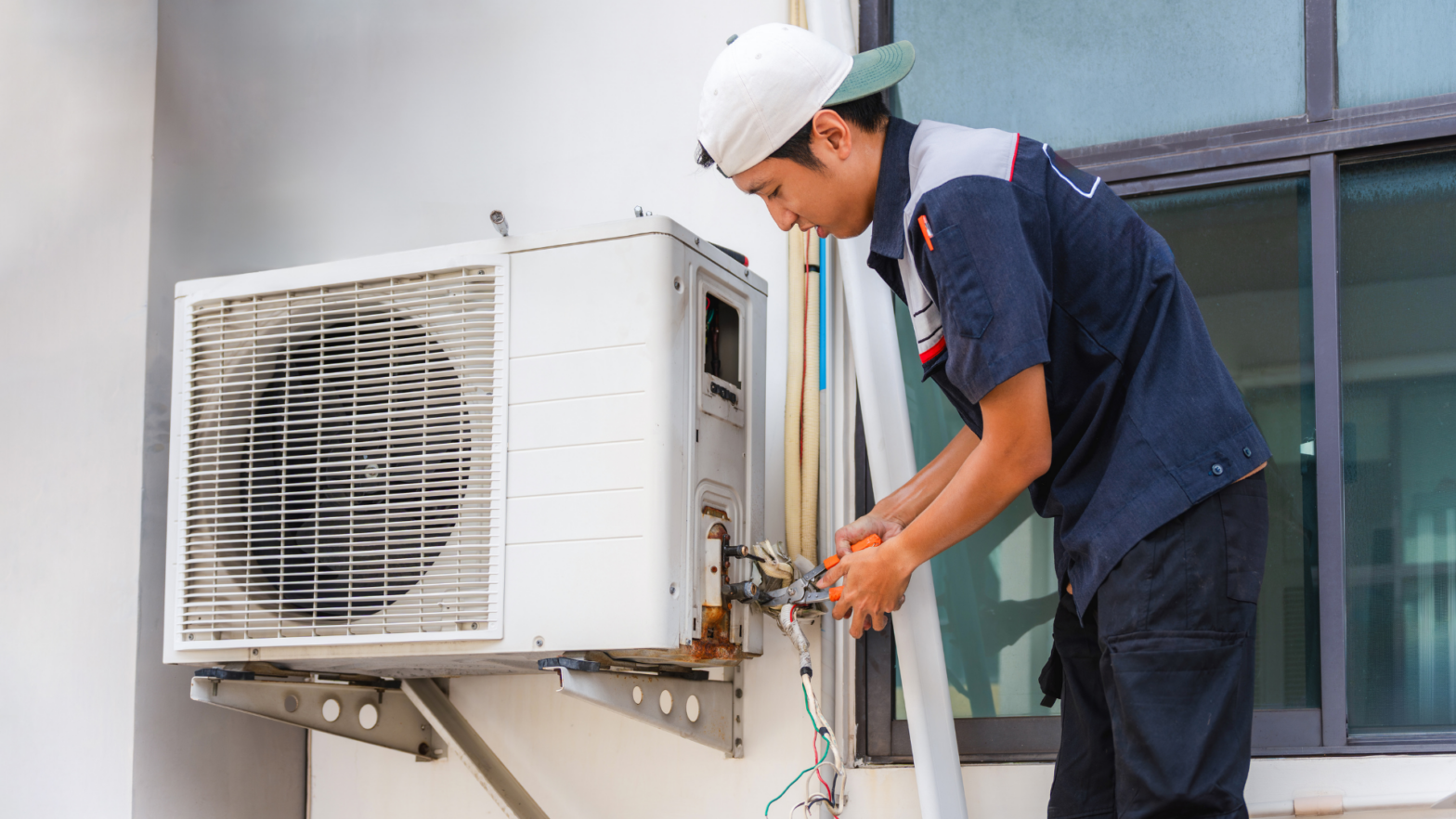
Serve long enough in Old Bridge, and you begin to notice patterns. Air conditioners that seemed to be performing well last year fail to do so every summer when the heat rises above 90-95degF and the humidity is pressing in on the Raritan Bay.
During winter, it is the reverse issue. When nighttime temperatures fall to a level of 20degF, the old furnaces operate continuously until one of the parts finally breaks down.
The majority of HVAC replacements are not planned in advance by a homeowner. They occur due to the fact that something went wrong at the most inappropriate moment.
As a technician, time is of the essence as most individuals may not know. Replacement in the peak summer or winter period will tend to be more expensive in labor, less equipment options, and wait time.
During these high-demand times, it is not unusual to see pricing go up by 10-20 percent, just because crews and suppliers are extremely busy.
The fact of the matter is that the optimal time of the year during which the new HVAC system Old Bridge homeowners can make use of is typically the time when there is no issue at hand. The most practical seasons are always spring and fall.
The weather is not extreme, and it is not hard to plan the installation, and homeowners have time to consider the efficiency options rather than make hasty decisions. These low seasons are also more in line with NJ Clean Energy rebates and manufacturer incentives.
In the long-term reliability perspective, proactive installation will ease the strain on the system at the very beginning. You do not take a brand-new unit to its extremes in extreme temperatures, and you are much less likely to have to cope with unexpected failures.
You will see below how the climate of Old Bridge influences the performance of your HVAC, why seasonal demand determines price, and when it is technically and economically best to replace your system.
Why Timing Matters in Old Bridge, New Jersey
Old Bridge homeowners deal with wider temperature swings than many people realize. This part of Middlesex County sits in a humid continental climate, which means hot, moisture-heavy summers and long, cold winters. From a technician’s perspective, that climate directly affects how hard HVAC systems work and when they fail.
During summer, average daytime highs regularly exceed 90°F, and heat waves often push closer to 95°F or higher. Humidity from the Raritan Bay makes conditions worse, forcing air conditioners to run longer cycles just to maintain set temperatures. In winter, overnight lows can fall toward 20°F, keeping furnaces running almost continuously for weeks at a time. Older systems, especially those installed before modern efficiency standards, feel that stress the most.
Proper system sizing and load calculations should follow ASHRAE residential HVAC guidelines, which emphasize matching equipment capacity to actual home conditions rather than replacing systems one-for-one.
Peak Season vs. Off-Season Demand
HVAC demand in Old Bridge spikes during these extremes. From June through August, service calls surge as AC units fail under heavy load. From December through February, furnace breakdowns dominate schedules. During these peak periods, installation timelines often stretch two to four weeks, and pricing rises due to labor overtime and limited equipment availability.
In contrast, spring and fall are considered off-peak seasons. Temperatures are moderate, systems aren’t under constant strain, and contractors have more flexibility in their schedules. This is why HVAC install cost savings NJ off-season opportunities are real, not marketing language. Lower demand allows contractors to price jobs more competitively and complete installations without rushing.
The Risk of Waiting Too Long
Delaying replacement until peak season carries real risks. A system that fails during a 100°F day with high humidity can make a home unsafe, especially for older residents. Winter failures during freezing conditions pose similar concerns. Emergency replacements often mean fewer equipment choices and little time to compare efficiency ratings or rebate eligibility.
From a technical standpoint, replacing a system during mild weather also protects the new equipment. Installing and commissioning a unit in spring or fall avoids immediately pushing it to maximum capacity, which supports long-term reliability.
Timing doesn’t just affect cost; it affects comfort, safety, and how well your new system performs from day one.
Optimal Timing: Spring HVAC Installation in Old Bridge
Spring is one of the most practical times of year for HVAC replacement in Old Bridge, both from a technical and cost standpoint.
From March through May, outdoor temperatures typically stay between 50°F and 70°F, which creates ideal working conditions for both installers and equipment.
Systems can be installed, tested, and calibrated without the pressure of extreme heat or cold.
Advantages of Spring Installation
From a technician’s perspective, spring installs are smoother and more controlled. Crews aren’t rushing between emergency calls, and homeowners have more flexibility when scheduling. That alone reduces mistakes and improves overall install quality.
Spring also falls before the summer rush, when demand increases sharply. This is why HVAC installation Old Bridge NJ spring projects often come with better pricing and faster turnaround times. Many homeowners see 10–15% savings compared to peak summer installs simply because labor and logistics are easier to manage.
Another major benefit is system readiness. Installing in spring ensures your air conditioning is fully operational before the first heatwave hits. Instead of hoping your old system survives another summer, you start the season with new equipment that’s properly sized and optimized for your home.
Cost Savings and Rebates
Spring aligns well with NJ Clean Energy rebates and manufacturer incentives tied to energy-efficient upgrades. Homeowners replacing older systems can often qualify for rebates on high-efficiency equipment meeting SEER2 efficiency ratings, which are now the standard for New Jersey installations.
For example, a typical $7,000 full-system replacement may qualify for rebates and seasonal incentives that reduce the final cost by $800 to $1,200, depending on equipment selection. Those savings are harder to secure once summer demand peaks and inventory tightens.
Local Factors That Matter
In Old Bridge, spring inspections often reveal issues that developed during winter. Furnaces that ran nonstop may show signs of wear, and ductwork problems become easier to diagnose when systems aren’t under constant load. Addressing these issues early prevents emergency failures later.
Spring also gives homeowners time to evaluate options such as ductless mini-split timing Old Bridge installations for additions or rooms with uneven temperatures. These systems are easier to integrate before summer demand strains contractor availability.
Pro Technician Tips for Spring Installs
- Schedule early in the season to lock in equipment availability
- Request a full load calculation, not a like-for-like swap
- Confirm rebate eligibility before selecting equipment
- Address duct sealing or insulation issues during install
From a reliability standpoint, spring offers the best balance of cost control, installation quality, and long-term performance, making it one of the smartest times to upgrade your HVAC system in Old Bridge.
Optimal Timing: Fall HVAC Replacement in Old Bridge
Fall is another highly effective window for HVAC replacement in Old Bridge, especially for homeowners focused on heating reliability and long-term efficiency.
From September through November, outdoor temperatures cool down, humidity drops, and installation conditions become far more predictable.
From a technician’s standpoint, fall installs allow for careful setup without the urgency that comes with winter breakdowns.
Pre-Winter Preparation and System Reliability
Replacing your HVAC system in the fall ensures your home is prepared before sustained cold weather arrives.
Furnaces in Old Bridge often begin running heavily as early as October, particularly during overnight temperature drops.
Installing ahead of this demand allows technicians to test heating performance under controlled conditions rather than during an emergency.
This timing also reduces the risk of discovering issues mid-winter. Components such as heat exchangers, ignition systems, and blower motors can be evaluated and adjusted without freezing conditions complicating the process.
That makes fall HVAC replacement Old Bridge homeowners schedule far less stressful than winter emergency calls.
Avoiding Seasonal Supply and Labor Issues
Fall sits between two busy seasons, which gives homeowners a pricing and scheduling advantage. Contractors are finishing summer work but haven’t yet hit the winter rush.
That balance often leads to Old Bridge HVAC seasonal promotions and better equipment availability.
Supply chains also tend to be more stable in fall. Popular high-efficiency furnaces and heat pump systems are more readily available before winter demand spikes. Waiting too long can limit options and force compromises on efficiency or system design.
Strategic Half-System Replacements
Fall is ideal for homeowners planning phased upgrades. Many technicians recommend replacing the air conditioner in spring and the furnace in fall if both systems are aging.
This approach spreads costs across seasons while ensuring each component is installed under favorable conditions.
For homes with mixed comfort issues, fall is also a good time to evaluate zoning upgrades or plan for ductless mini-split timing Old Bridge projects in areas that struggle with winter heating.
Technician Tips for Fall Installs
- Schedule before late November to avoid cold-weather delays
- Confirm combustion air and venting meet current codes
- Test heating output before overnight freezes begin
- Verify thermostat compatibility with new equipment
From both a performance and planning perspective, fall provides a controlled environment to upgrade your HVAC system without pressure.
It’s a reliable option for homeowners who want confidence heading into winter, along with potential cost savings and better scheduling flexibility.
Other Seasons: Pros and Cons of Summer and Winter Installation
While spring and fall are usually the most practical times to replace an HVAC system in Old Bridge, some homeowners still end up installing during summer or winter.
From a technician’s standpoint, these seasons come with clear trade-offs. Sometimes replacement can’t wait, but it’s important to understand what you’re gaining and what you’re giving up.
Summer installations typically happen after a breakdown. When temperatures climb into the 90s with high humidity, comfort becomes a priority, and homeowners want cooling restored as quickly as possible.
Winter replacements often follow furnace failures during extended cold spells. In both cases, urgency drives decisions.
Below is a clear comparison of how these seasons stack up in Old Bridge:
| Season | Pros | Cons | Old Bridge Notes |
| Summer | Quick cooling fix | 20% premium, heat during install | Peak breakdowns near the Raritan Bay |
| Winter | Indoor specials | Freezing delays | Viable per experts |
Summer Installation Reality
Summer replacements solve immediate comfort problems, but they’re rarely cost-effective. High demand leads to HVAC install cost savings NJ off-season opportunities disappearing.
Crews are booked, overtime costs rise, and installations often need to be completed quickly in uncomfortable conditions. Homeowners may also need temporary cooling solutions during the install.
Winter Installation Reality
Winter installs can sometimes offer equipment specials, especially on furnaces.
However, freezing temperatures can delay work, limit outdoor tasks, and reduce testing accuracy. While experienced technicians can complete safe installs, weather conditions add complexity and risk.
From a planning perspective, summer and winter should be backup options, not first choices.
Whenever possible, scheduling during off-peak seasons gives homeowners more control, better pricing, and a smoother installation process overall.
Signs You Need Immediate HVAC Replacement in Old Bridge
While timing your installation for spring or fall is ideal, some systems simply can’t wait. From a technician’s standpoint, there are clear warning signs that indicate replacement should be prioritized, even if it means installing during a peak season. Ignoring these signs often leads to higher repair costs, safety concerns, or complete system failure.
One of the most common indicators is system age. HVAC systems in Old Bridge typically last 12–15 years under normal conditions.
Homes built before 2000 often still rely on older equipment that wasn’t designed for today’s efficiency standards or the region’s humidity levels.
If your system is over 15 years old and requiring frequent repairs, replacement is usually more cost-effective than continued patchwork.
Performance and Comfort Issues
Uneven temperatures are another red flag. If certain rooms are consistently warmer in summer or colder in winter, the system may be improperly sized or losing efficiency.
This is especially common in split-level and colonial-style homes throughout Middlesex County. Rising utility bills without changes in usage also suggest declining performance.
Older systems often run longer cycles to achieve the same comfort, driving costs up month after month.
Strange noises, persistent odors, or short cycling should never be ignored. These issues often indicate internal wear or airflow problems that repairs can no longer resolve reliably.
Efficiency and Code Considerations
New Jersey now requires higher efficiency standards, including updated SEER2 efficiency ratings for air conditioners and heat pumps.
Systems installed before these standards typically consume more energy and may not qualify for modern rebates.
Scheduling an energy audit can confirm how much efficiency you’re losing and whether replacement makes sense now.
When Replacement Becomes the Safer Choice
If repairs are stacking up, comfort is inconsistent, or energy costs are climbing rapidly, delaying replacement can lead to emergency situations. In those cases, upgrading immediately, regardless of season, protects comfort and safety.
While timing matters, reliability matters more. Knowing when replacement is no longer optional helps homeowners avoid unexpected breakdowns and regain control over their comfort and costs.
Local Incentives and Next Steps for Old Bridge Homeowners
It is not only about the timing of the installation of a new HVAC system in Old Bridge, but also about the accumulation of savings.
Planned replacement by owners of homes can often receive state and federal incentives that can greatly lower the overall expenses particularly when installations are done during off-peak periods.
New Jersey has a number of programs available under the NJ Clean Energy Program and Comfort Partners, which aim at promoting the upgrades to high-efficiency systems.
Rebates and credits may go up to 2000 dollars in combination with federal tax incentives depending on the kind of equipment installed and eligibility of the household.
According to the revised SEER2 efficiency ratings, systems that pass these tests have a much higher chance of qualification and the selection of systems is therefore crucial.
These incentives do not occur throughout the year. The amount of funding available, the requirements of the program, and the list of approved equipment may vary, and without much warning.
Technically, spring and fall installations would be more convenient to install as rebates are available. Turnaround times are shorter, machinery choices are wider and homeowners are not competing with the high seasonal demand.
The next step that matters the most is to have a professional evaluation prior to the failure of your system.
In addition to state programs, qualifying homeowners may also benefit from federal energy-efficiency tax credits when installing approved high-efficiency heating and cooling equipment.
An appropriate load analysis, duct check and efficiency test will guarantee that the system is properly sized to suit your Old Bridge house and tuned to perform over the long run. This also verifies the eligibility of rebates prior to making any purchase decision.
When your HVAC system is old, inefficient, or you see it is on its way down, planning now will give you the power to make the decision rather than have to make it in a hurry in the future.

Frequently Asked Questions
Is winter a good time to install a new HVAC system in Old Bridge?
Winter installations are possible, but they’re rarely ideal unless your system has failed. Freezing temperatures can slow down certain parts of the installation process, limit testing accuracy, and reduce scheduling flexibility. While some equipment specials may be available, weather-related delays and emergency conditions often offset any savings. From a technician’s standpoint, winter installs should be a last resort, not a planned strategy.
Spring vs. fall: which season saves more on HVAC installation?
Both seasons typically offer similar savings, often in the 10–20% range, compared to peak summer or winter pricing. Spring tends to favor air conditioning upgrades and full system replacements, while fall is better suited for furnace or heating-focused installs. The best choice depends on which part of your system is aging and how soon it’s likely to fail.
Are there NJ rebates available for HVAC installation in 2026?
Yes, New Jersey homeowners may qualify for incentives through programs such as the NJ Clean Energy Program and federal energy-efficiency tax credits. Eligibility depends on system efficiency, including compliance with SEER2 efficiency ratings, and program funding availability. Because rebates can change or run out, confirming eligibility before installation is critical.
When is the best time to install a ductless mini-split in Old Bridge?
Spring and fall are generally the best times for ductless mini-split timing in Old Bridge. Mild temperatures allow for easier installation and testing, and contractors have more availability. Installing before summer ensures cooling is ready when humidity rises, while fall installs prepare problem areas for winter heating.
What does delaying HVAC replacement usually cost homeowners?
Delaying replacement often leads to higher repair bills, emergency installation premiums, and reduced equipment options. In peak season, homeowners may pay $1,000 or more above off-season pricing, while also risking comfort and safety during extreme temperatures. Planning ahead almost always results in better pricing and fewer surprises.


