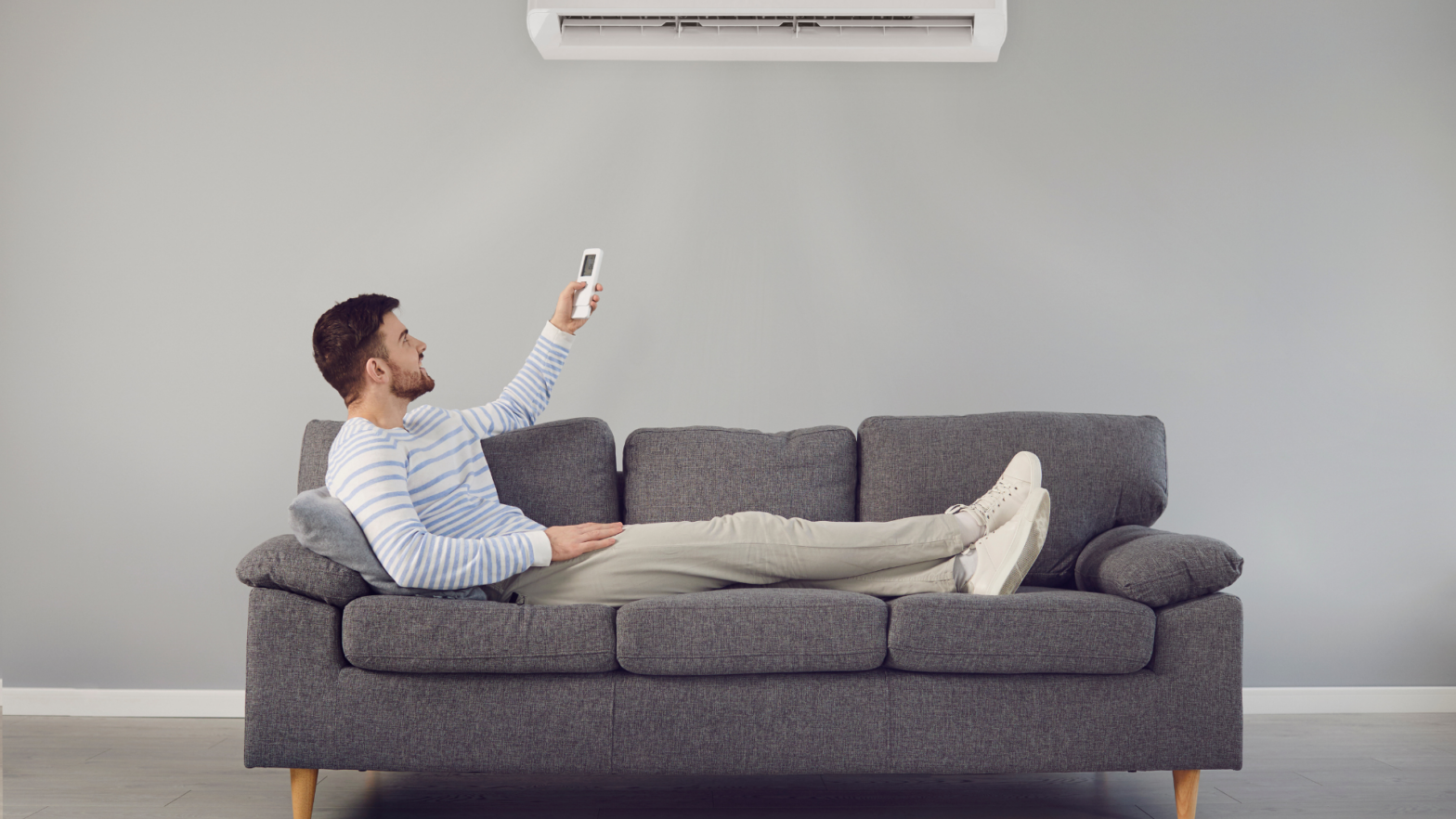
Your AC is running but your home isn’t cooling down. It’s a common call we get from Bridgewater, NJ homeowners every summer, and it’s never something you should ignore.
An air conditioner that runs without cooling is wasting energy, putting stress on your system, and leaving your family uncomfortable. The cause could be something simple you can fix in minutes, or it could be a sign of a serious mechanical problem that requires a licensed technician.
Either way, you need answers fast. This guide covers the 10 most common reasons your air conditioner isn’t cooling in Bridgewater, NJ, what you can check yourself, and when to call a professional before the problem gets worse.
Quick-Check Troubleshooting You Can Do Yourself
Before calling a technician, run through these checks. They take less than 10 minutes and can save you a service call.
Check Your Thermostat Settings
Make sure your thermostat is set to COOL, not FAN or HEAT. Set the temperature at least 5 degrees below the current room temperature. If you have a programmable or smart thermostat, verify the schedule hasn’t been accidentally changed.
Inspect or Replace the Air Filter
A clogged air filter is one of the most common reasons an AC stops cooling effectively. Pull the filter out and hold it up to the light, if you can’t see through it, replace it. Bridgewater homes with pets or heavy foot traffic may need filter changes every 30 days.
Check Your Vents and Registers
Walk through every room and confirm that all supply and return vents are open and unobstructed. Furniture, rugs, and curtains blocking vents will restrict airflow and reduce cooling throughout the entire home.
Check the Breaker or Fuse for the AC Unit
Go to your electrical panel and check that the breaker for your AC unit hasn’t tripped. If it has, reset it once. If it trips again, stop, that’s an electrical issue that needs a licensed technician.
10 Common Reasons Your AC Isn’t Cooling
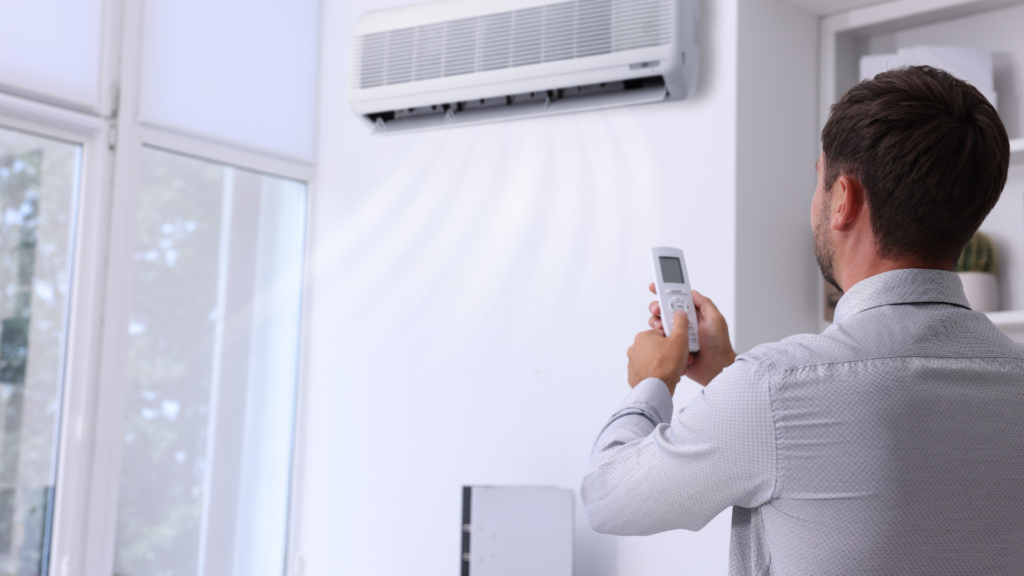
If the quick checks didn’t solve the problem, the issue runs deeper. Most AC cooling failures come down to one of ten root causes: some mechanical, some electrical, and some simply the result of deferred maintenance.
Understanding what’s actually wrong with your system is the first step toward fixing it correctly and avoiding a repeat breakdown.
The list below covers the most common diagnoses we see in Bridgewater, NJ homes every summer.
For each one, we’ll tell you what it means, what it does to your system, and whether it’s something you can address yourself or a job that requires a licensed HVAC technician.
1. Thermostat Set Incorrectly
It sounds basic, but a misconfigured thermostat is a frequent culprit. If the fan is set to ON instead of AUTO, it will blow air continuously, even when the system isn’t actively cooling.
The result is warm air coming through your vents and a home that never reaches the set temperature.
2. Dirty Air Filter Restricting Airflow
A filter that hasn’t been changed in months will choke your system. Restricted airflow forces your AC to work harder, reduces cooling capacity, and can eventually cause the evaporator coil to freeze.
In Bridgewater, NJ, where summer humidity is already high, a dirty filter compounds the problem fast.
3. Clogged or Frozen Evaporator Coil
The evaporator coil absorbs heat from the air inside your home. When it gets dirty or airflow is restricted, it can freeze over, blocking heat transfer entirely.
If you see ice on your indoor unit or refrigerant lines, shut the system off and call a technician. Running a frozen system causes compressor damage.
4. Low Refrigerant Charge or Leak
Refrigerant is what actually transfers heat out of your home. If your system is low on refrigerant due to a leak, it cannot cool effectively no matter how long it runs.
Signs include warm air from vents, ice buildup, and a hissing or bubbling sound near the unit. Refrigerant work is regulated under EPA Section 608, which requires certified technicians to handle all refrigerant work; this is not a DIY fix.
5. Dirty Outdoor Condenser Unit
Your outdoor unit releases the heat pulled from inside your home. When the condenser coils are coated in dirt, pollen, or debris, common in Bridgewater yards with mature trees and dense landscaping, heat transfer is blocked and cooling efficiency drops significantly.
Keep at least two feet of clearance around the unit and have the coils professionally cleaned annually.
6. Failing Blower Fan or Motor
The blower fan circulates air across the evaporator coil and pushes cooled air through your ductwork.
If the motor is failing or the fan blade is damaged, airflow drops and your home won’t cool evenly. Listen for unusual noises from your indoor unit; rattling, squealing, or humming are warning signs.
7. Ductwork Leaks or Closed Dampers
In older Bridgewater homes, ductwork can develop cracks, gaps, or disconnected joints over time. Cooled air leaks into unconditioned spaces like attics or crawl spaces instead of reaching your living areas.
Closed or partially closed dampers have the same effect. If certain rooms are consistently warmer than others, duct issues are a likely cause.
8. Electrical Issues or Tripped Breaker
Your AC system relies on multiple electrical components, capacitors, contactors, relays, and wiring. A failed capacitor is one of the most common reasons a compressor or fan motor stops working.
If your unit is humming but not starting, or shutting off shortly after starting, an electrical component has likely failed. Leave this to a licensed technician.
9. Compressor Problems
The compressor is the heart of your AC system. It pressurizes the refrigerant and drives the entire cooling cycle. Hot New Jersey summers put significant stress on compressors, especially in systems over 10 years old.
A failing compressor may cause the system to run constantly without cooling, trip breakers repeatedly, or simply not start at all. Compressor repairs are costly; if yours has failed on an older unit, replacement may be the more practical option.
10. AC Unit Too Old or Undersized
An AC unit that is undersized for your home will run nonstop and never reach your target temperature.
Similarly, a system that is 15 years or older loses efficiency year over year and simply may not have the capacity to handle a Bridgewater summer anymore — if replacement is on the table, understanding what AC installation costs in Somerset County can help you plan ahead.
If your system is aging and repair costs are climbing, explore your air conditioning service and replacement options before committing to another costly repair.
When to Call an AC Repair Technician in Bridgewater, NJ
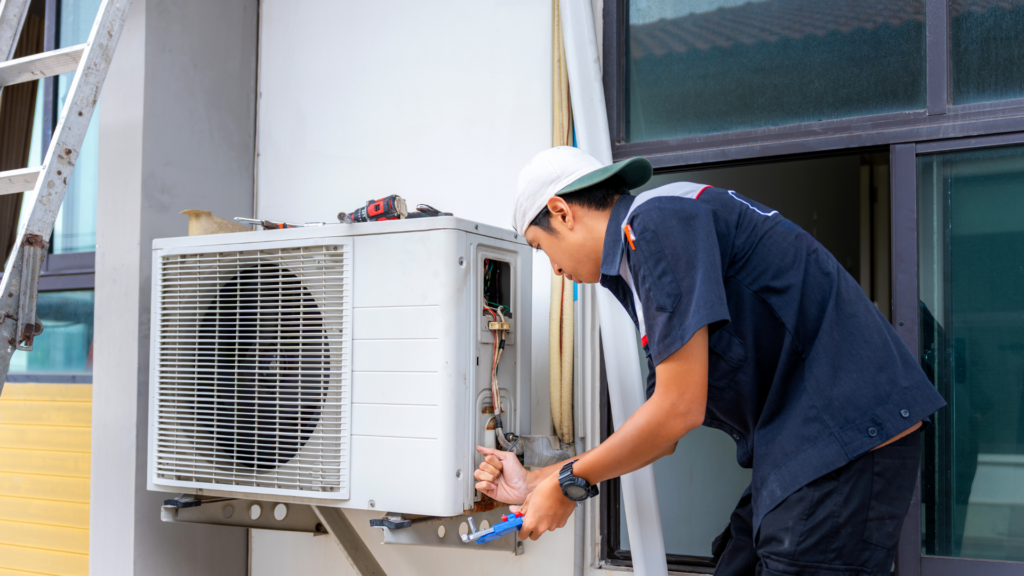
Some AC problems are straightforward enough for a homeowner to handle. A dirty filter, a tripped breaker, a blocked vent; these are reasonable first steps that cost nothing but a few minutes of your time.
But there is a clear line between basic maintenance and mechanical or electrical failure.
Crossing that line without the right training and equipment can turn a manageable repair into a system-wide breakdown.
If you’re experiencing any of the following warning signs — which are often the same early signs of a failing AC system that homeowners across New Jersey overlook — stop troubleshooting and call a licensed AC repair technician in Bridgewater, NJ right away.
Call a technician immediately if you notice any of the following:
- Ice forming on the evaporator coil or refrigerant lines
- A burning smell or electrical odor coming from any part of the system
- Unusual sounds such as grinding, banging, squealing, or hissing
- The breaker trips repeatedly after being reset
- Warm or room-temperature air blowing from vents after the filter has been changed
- The outdoor unit is running but the indoor unit is not, or vice versa
- Your system short-cycles, turning on and off every few minutes
- Visible refrigerant leaks or oily residue around the unit
Refrigerant handling, electrical diagnostics, compressor evaluation, and coil cleaning all require licensed, certified HVAC professionals. In New Jersey, refrigerant work must be performed by an EPA Section 608 certified technician.
Attempting these repairs without proper credentials is not only dangerous, it can void your equipment warranty and result in further damage that costs significantly more to fix.
How Bridgewater AC Repair Pros Diagnose “Not Cooling” Issues
When you call a licensed AC repair technician in Bridgewater, NJ, they are not guessing at the problem. A proper diagnostic follows a systematic process that evaluates every component involved in the cooling cycle.
Knowing what to expect during a service visit helps you ask the right questions, understand the findings, and make informed decisions about your repair options.
Here is what a qualified HVAC technician will typically inspect when your air conditioner is running but not cooling.
Thermostat Verification
The technician will confirm the thermostat is calibrated correctly, communicating properly with the system, and triggering cooling at the right temperature differential. A faulty thermostat can mimic the symptoms of a much more serious mechanical problem.
Refrigerant Level Check
Using manifold gauges, the technician will measure the system’s refrigerant pressure to determine if levels are within the manufacturer’s specified range. If pressure is low, they will locate and repair the leak before recharging the system. Simply topping off refrigerant without finding the leak is not a proper repair.
Coil Inspection
Both the evaporator coil (indoor) and condenser coil (outdoor) will be inspected for dirt buildup, ice formation, and physical damage. Restricted or damaged coils are a leading cause of reduced cooling capacity in Bridgewater homes, particularly in systems that have not been serviced in one or more years.
Blower Fan and Motor Testing
The technician will check fan speed, motor amperage, and blade condition to confirm that airflow through the system meets the manufacturer’s specifications. A underperforming blower fan reduces cooling efficiency across the entire home.
Electrical Component Testing
Capacitors, contactors, relays, and wiring connections will all be tested for proper function and signs of wear. Electrical failures are among the most common causes of AC breakdowns during peak summer heat in New Jersey, when systems run at maximum load for extended periods.
Duct Inspection
If airflow or temperature inconsistencies point to duct issues, the technician will inspect accessible ductwork for leaks, disconnections, or improperly set dampers. This is especially relevant in older Bridgewater homes where original ductwork may be decades old.
Compressor Evaluation
The compressor will be tested for proper operation, starting performance, and amp draw. A compressor that is drawing too much current, failing to start, or running outside of its normal operating range will be identified at this stage.
Prevention Tips for Bridgewater Homeowners
The most expensive AC repair is the one that could have been avoided. Bridgewater, NJ summers are hot, humid, and unforgiving on HVAC equipment.
Systems that are not maintained regularly are far more likely to break down mid-season, when demand for service is highest and wait times are longest.
The good news is that most major AC failures are preventable with a consistent maintenance routine. Follow these habits to keep your system running efficiently all summer long.
Schedule a Professional Tune-Up Every Spring
Before the cooling season starts, have a licensed HVAC technician inspect and service your system. A spring tune-up covers refrigerant levels, coil cleaning, electrical component checks, and overall system performance. Catching a small issue in April is significantly less expensive than an emergency repair call in July.
Change Your Air Filter Every 30 to 90 Days
Filter replacement is the single easiest thing a homeowner can do to protect their AC system. In Bridgewater homes with pets, allergies, or high occupancy, change the filter every 30 days. In less demanding households, every 60 to 90 days is acceptable. Never let a filter go longer than 90 days during active cooling season.
Keep the Outdoor Unit Clear
Bridgewater yards with mature trees, shrubs, and dense landscaping can quickly crowd an outdoor condenser unit. Maintain at least two feet of clearance on all sides of the unit. Remove leaves, grass clippings, and debris from around the base regularly. Do not stack items against or on top of the unit at any time.
Do Not Close Off Rooms or Vents
A common misconception is that closing vents in unused rooms saves energy. It does not. Central AC systems are designed to distribute air across a specific square footage. Closing vents creates pressure imbalances that strain the blower motor and reduce overall cooling efficiency.
Monitor Your System During Heat Waves
During extended heat waves, check your system more frequently. If your home is not reaching the set temperature within a reasonable time, or if you notice any of the warning signs covered earlier in this guide, do not wait. Early intervention prevents minor issues from escalating into full system failures.
Consider Upgrading an Aging System
If your AC unit is 12 years or older, the efficiency and reliability gap between your current system and modern equipment is significant. Many Bridgewater homeowners are still running systems that are 15 to 20 years old. At that age, the cost of repeated repairs often exceeds the cost of a new, energy-efficient installation over the same period.
Don’t Wait on an AC That Isn’t Cooling
An air conditioner that runs without cooling is not just an inconvenience. It is a system under stress, consuming energy, and moving closer to a larger failure with every hour it runs. Whether the cause is a dirty filter, a refrigerant leak, a failing compressor, or aging equipment, the right diagnosis from a qualified technician makes all the difference.
Bridgewater, NJ homeowners do not have to figure this out alone. If your air conditioner is running but not cooling your home, the smartest move is to call a licensed AC repair professional before the problem gets worse.
A thorough diagnostic visit will identify the exact cause, give you a clear repair recommendation, and get your system back to cooling your home the way it should.
Do not wait until your system fails completely in the middle of a heat wave. The sooner you address the problem, the more options you have and the less it will cost.
Frequently Asked Questions
Why is my air conditioner running but not cooling my house?
The most common causes are a dirty air filter, low refrigerant, a frozen evaporator coil, or a failing compressor. Start by checking your filter and thermostat settings. If those are not the issue, call a licensed AC repair technician in Bridgewater, NJ to run a proper diagnostic.
How long does an AC repair take?
Most standard repairs such as capacitor replacement, refrigerant recharge, or coil cleaning can be completed in a single visit of one to three hours. More complex repairs involving the compressor or ductwork may require additional time or a follow-up appointment.
How much does AC repair cost in Bridgewater, NJ?
Repair costs vary depending on the problem — for a deeper breakdown of what each service type typically runs in New Jersey, see this guide to AC repair costs in the region. Minor repairs such as a capacitor or contactor replacement typically range from $150 to $400.
Refrigerant recharges, coil cleaning, and blower motor replacements can range from $300 to $800. Compressor replacement is the most expensive repair and can range from $1,200 to $2,500 or more depending on the system.
How often should I service my AC in Bridgewater, NJ?
Once per year, ideally in the spring before the cooling season begins. Annual maintenance keeps your system running efficiently, extends equipment life, and helps catch small problems before they become expensive repairs.
Should I repair or replace my air conditioner?
If your system is under 10 years old and the repair cost is reasonable, repair is usually the right choice. If your system is 12 to 15 years or older and repair costs are climbing, replacement is often the more cost-effective decision. A licensed HVAC technician can give you an honest assessment based on the condition of your specific equipment.
Can I recharge my own AC refrigerant?
No. Refrigerant handling is regulated by the EPA and requires Section 608 certification. Purchasing or handling refrigerant without certification is illegal. If your system is low on refrigerant, call a licensed technician.
What should I do if my AC freezes up?
Turn the system off immediately and let it thaw completely before running it again. A frozen coil is usually caused by restricted airflow or low refrigerant. Once thawed, check and replace the air filter. If the system freezes again after a restart, call a technician.


