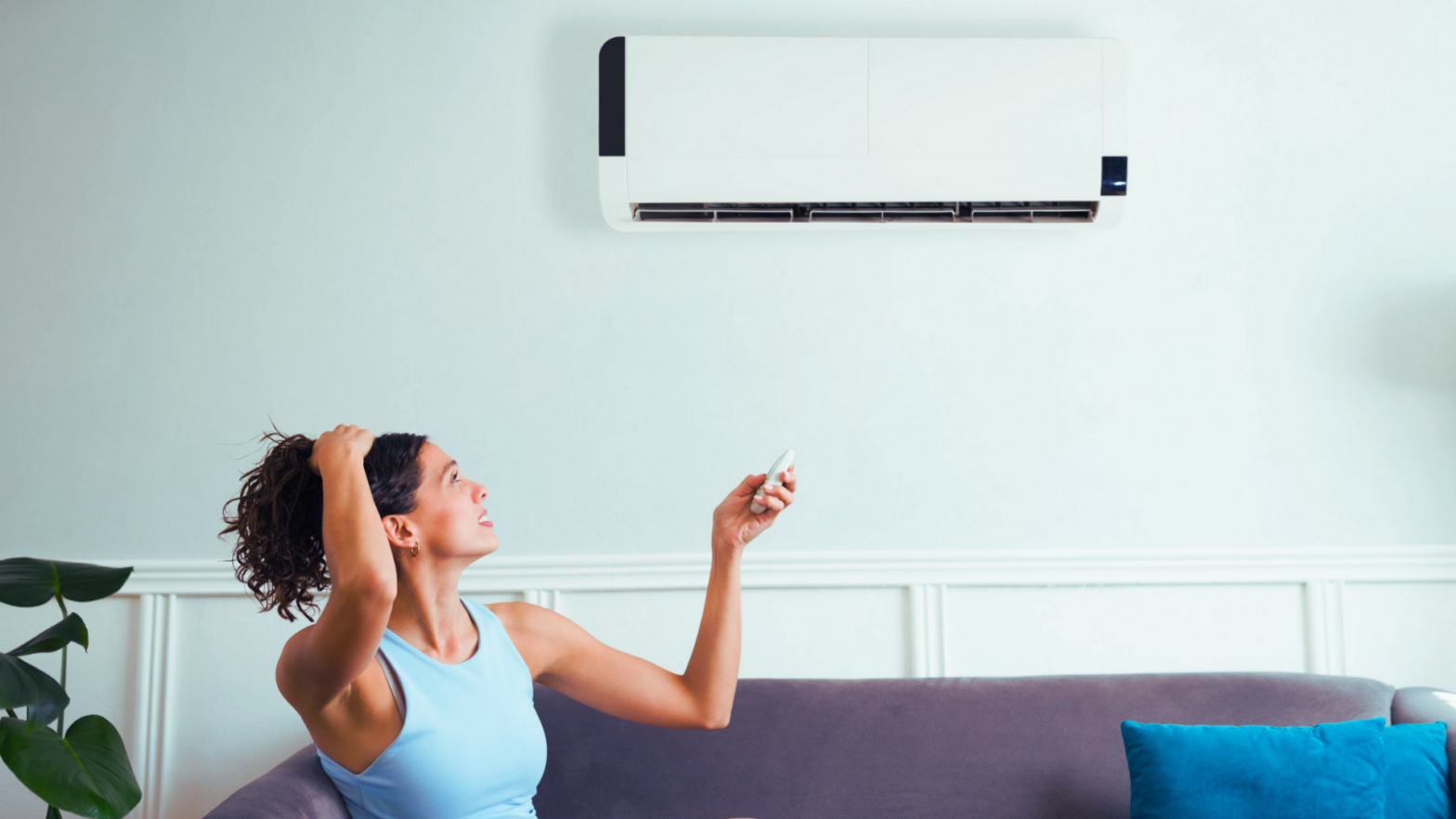
When your air conditioner is on and it is blowing hot air, then something is not functioning as it is supposed to. The machine is switched on and the cooling is not occurring.
This is one of the most frequent AC complaints that we receive in New Jersey and NYC summers. And in most instances, it is just a matter of cause.
Cooling may be interrupted by a thermostat setting, a dirty air filter, a frozen coil, or a safety switch, although the unit may sound normal.
There are some simple checks that you can safely perform before calling to service.
They do not need tools or technical experience, and they can be used to eliminate minor problems that can be fixed easily.
This tutorial takes you through five fast DIY inspections sequentially as we suggest.
Every step describes what you should be aware of, what you can safely do, and when it is time to quit and call a professional.
Begin with the first check below. It requires less than two minutes and it is more likely to solve the problem than most individuals expect.
Check 1 – Thermostat Settings
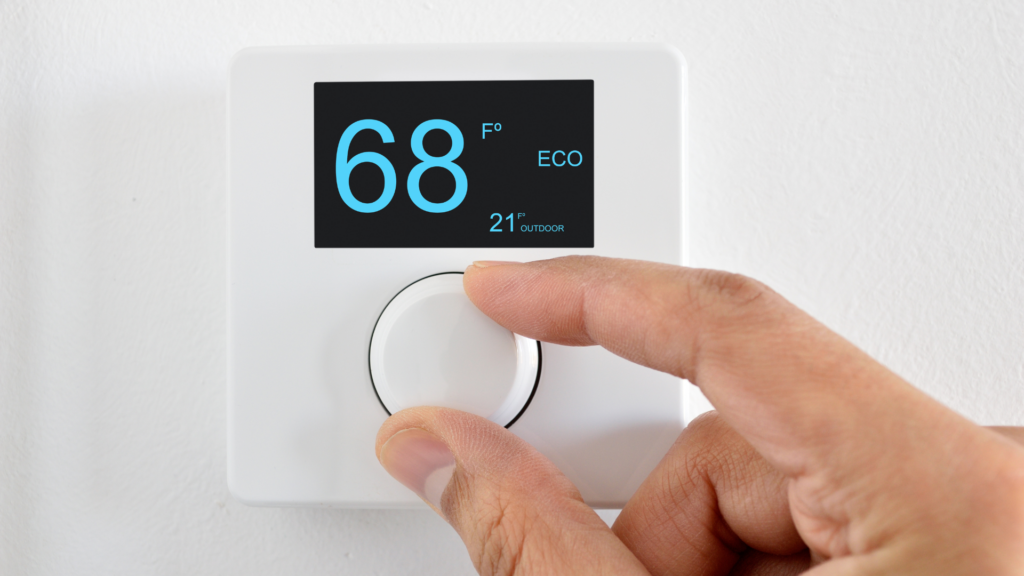
This is the quickest to check and one of the most prevalent reasons of warm air. The first step is to verify that the thermostat is on COOL and not left on HEAT or OFF.
Then reduce the set temperature to at least five degrees lower than the room temperature so the system is being made to understand it is being instructed to cool.
Next, check the fan setting. The fan must not be ON, but AUTO. With the fan on, it can operate continuously and expel uncooled air via the vents between cooling cycles, which is usually very similar to the AC blowing warm air when it is not broken.
In case your thermostat requires batteries, change them. Weak batteries may lead to wrong reading or even the system may not communicate.
In the case of smart thermostats, a frozen display or slow reaction can be fixed by a simple reboot according to the instructions of the manufacturer.
Once the adjustments have been made, allow the system to take five to ten minutes to react. Central AC systems do not cool immediately on hot days.
When the thermostat is programmed properly and the outdoor unit does not start at all, the screen will not boot up, or the system will short cycle, stop and call a professional.
When everything appears to be normal and the air is still warm, proceed with the next check.
Check 2 – Dirty or Clogged Air Filter
One of the most widespread causes of an AC blowing warm or hardly cool air is a dirty air filter.
Airflow decreases when the filter is clogged. That is, less air passes over the evaporator coil and the system is unable to remove heat effectively. The air exiting the vents in most instances is warm despite the fact that the AC is on.
Locate your air filter first. It is either behind a return vent, inside the air handler or in a slot close to the furnace in most homes. Slide it out and take a look. When it is dusted, has pet hair or appears gray rather than white, it is overdue.
Summers in New Jersey and NYC are also known to block filters quicker than anticipated. All of this includes high humidity, pollen, construction dust, and pets. It is not three months but one or two that filters should be changed during peak summer use.
Install the right size and airflow rating filter and re-enable the system. It can take several minutes before the airflow is fully cooled, although you may feel the difference almost instantly.
When the system begins cooling normally, the issue is resolved.
When the air flow is poor or the air itself is still hot, do not make it run.
At this stage, there is a possibility that the problem is going beyond an airflow restriction.
Check 3 – Frozen Evaporator Coils
If your AC is blowing warm air and airflow has dropped, frozen evaporator coils are a common cause.
When airflow is restricted or refrigerant levels are low, moisture on the evaporator coil can freeze. Once ice forms, the system can no longer absorb heat properly. The AC may still run, but the air coming out of the vents will feel warm or barely cool.
Signs of a frozen coil include weak airflow, air that gets warmer over time, visible ice on the indoor unit, or water pooling around the air handler once the ice starts to melt.
If you suspect the coil is frozen, turn the AC off immediately. Set the thermostat fan to ON and let the system thaw completely. This can take anywhere from one hour to a full day, depending on how much ice has built up.
Do not chip away ice or try to speed up the process with heat. That can damage the coil and turn a small problem into an expensive repair.
According to the U.S. Department of Energy, restricted airflow and dirty components can prevent an air conditioner from removing heat properly, leading to poor cooling or warm air coming from the vents.
Once the system is fully thawed, replace the air filter if it hasn’t already been changed. Then switch the system back to cooling and monitor it.
If the system cools normally and airflow stays steady, the freeze may have been caused by a dirty filter.
If the coils freeze again, stop here and call a professional. Repeated freezing usually points to low refrigerant, a blower issue, or another problem that requires licensed service.
Check 4 – Electrical Issues (Breaker or Safety Switch)
If your AC is running but not cooling, an electrical or safety interruption may be the reason.
Start at your electrical panel. Look for a tripped breaker labeled AC, condenser, or air handler. If the breaker is tripped, reset it once. If it trips again immediately, do not keep resetting it. That usually indicates a deeper electrical problem.
Next, check the condensate drain safety switch, often called a float switch. Many systems shut off cooling when the drain line backs up to prevent water damage. This is common during humid New Jersey summers when condensation builds quickly.
If you can safely access the drain line, look for standing water or a visible switch that has popped up. Clearing minor clogs can sometimes restore cooling, but if the switch keeps tripping, the underlying drainage issue needs professional attention.
Avoid using electrical testers or opening panels unless you are trained to do so. These systems are designed to shut down for a reason.
If resetting the breaker or clearing the drain restores cooling, monitor the system closely.
If the breaker won’t stay on or the safety switch keeps tripping, stop here and call a professional.
Check 5 – Outdoor Condenser Unit Problems
If everything inside checks out, the issue may be outside at the condenser unit.
The outdoor condenser needs clear airflow to release heat. When it’s blocked or dirty, the system can’t cool properly and may blow warm air indoors. This is especially common in NJ and NYC, where units sit near fences, alleyways, patios, or tight side yards.
Start by making sure the unit has space. Clear away leaves, trash, weeds, or anything stored too close. You want at least two feet of open space around all sides.
Next, look at the fins. If they’re coated in dirt or debris, gently rinse them with a garden hose. Use light water pressure only. Do not use a pressure washer and do not bend the fins.
While the system is running, check the condenser fan. It should be spinning steadily. If the fan is not moving, is making grinding noises, or shuts off shortly after starting, turn the system off. Running the AC without a working condenser fan can cause serious damage.
If cleaning the unit restores cooling, keep an eye on it during the next few cycles. If the fan is not running or the air is still warm after clearing debris, stop here and call a professional.
When DIY Fails – When to Call an HVAC Pro
If you’ve gone through the checks above and your AC is still blowing warm air, it’s time to stop troubleshooting.
At this point, the problem is usually something that can’t be fixed safely without training or licensing. That includes low refrigerant, compressor issues, electrical faults, or internal airflow problems. Continuing to run the system can make the damage worse and turn a repair into a replacement.
Call a professional if you notice any of the following:
- The system cools briefly, then starts blowing warm air again
- Ice keeps forming on the coils after thawing
- The outdoor unit shuts off or the breaker keeps tripping
- You hear buzzing, grinding, or hissing noises
- The AC runs constantly but never lowers the temperature
In NJ and NYC summers, humidity alone can push a struggling system over the edge. Older homes, rooftop condensers, tight urban installs, and long duct runs all make professional diagnosis more important.
A licensed HVAC technician can check refrigerant levels, test electrical components, confirm airflow, and identify whether the issue is repairable or a sign of a larger failure.
If your AC is still blowing warm air after these checks, schedule a service call before the next heat spike. Catching the issue early can save you time, money, and a very uncomfortable day.
Conclusion
When an AC is blowing warm air, the cause is often simpler than it seems. Before assuming the system has failed, it’s worth walking through the basics in the right order. Many cooling issues start with airflow, settings, or safety shutdowns, not major mechanical problems.
Here’s a quick recap of what to check and how long each step takes.
| Quick DIY Check | Time Needed | Tools Required |
| Thermostat Settings | 2 minutes | None |
| Air Filter | 5 minutes | New filter |
| Frozen Evaporator Coils | 1–24 hours | Flashlight |
| Electrical / Safety Switch | 5 minutes | None |
| Outdoor Condenser | 10 minutes | Garden hose |
If one of these steps restores cooling, you’re done. If the system still blows warm air, or the problem keeps coming back, that’s your signal to stop. Issues involving refrigerant, compressors, or repeated electrical shutdowns need professional attention.
Catching the problem early can prevent more expensive damage and reduce downtime during peak summer heat. If your AC is still not cooling after these checks, schedule a service inspection and get it addressed before the next heat wave hits.
Frequently Asked Questions
Why is my AC blowing warm air even though it’s running?
When an AC is running but blowing warm air, the most common causes are incorrect thermostat settings, restricted airflow from a dirty filter, frozen evaporator coils, a tripped safety switch, or problems with the outdoor condenser. The system may sound normal, but cooling is being interrupted somewhere in the process.
Can I fix an AC blowing warm air myself?
In many cases, yes. Homeowners can safely check thermostat settings, replace air filters, clear debris around the outdoor unit, and allow frozen coils to thaw. However, issues involving refrigerant, electrical components, or repeated system shutdowns should be handled by a licensed HVAC professional.
How long does it take frozen AC coils to thaw?
Frozen evaporator coils can take anywhere from one hour to a full day to thaw, depending on how much ice has built up. Turn the AC off, set the fan to ON, and allow airflow to melt the ice naturally. Do not chip ice or apply heat, as this can damage the coil.
Is it safe to keep running my AC if it’s blowing warm air?
No. Running an AC that is not cooling properly can worsen the problem and lead to more expensive repairs. If the air remains warm after basic checks, it’s best to turn the system off and schedule service.
How often should I change my AC air filter in summer?
During heavy summer use, most homes should replace air filters every one to two months. Homes with pets, high humidity, or construction dust may need more frequent changes. A clogged filter is one of the most common causes of cooling problems.
When should I call an HVAC professional?
Call a professional if the AC continues blowing warm air after basic checks, coils freeze repeatedly, breakers keep tripping, unusual noises are present, or cooling stops shortly after starting. These signs usually point to refrigerant, electrical, or mechanical issues that require licensed service.


