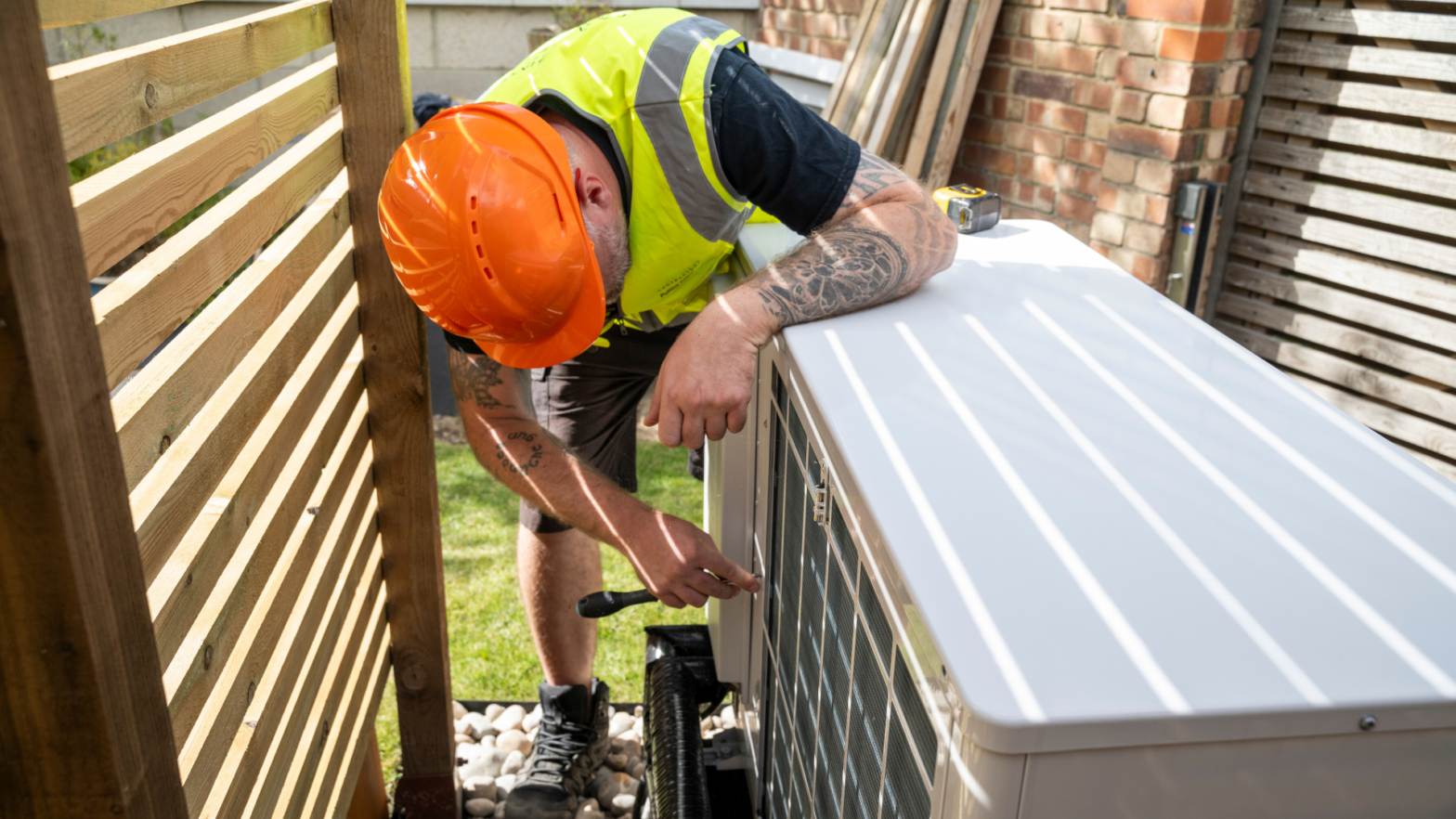
The heat pumps are receiving a lot of publicity in the state of New Jersey and many homeowners of Livingston are questioning whether it is indeed a good idea to install heat pumps in their homes.
With the increasing energy prices, new federal subsidies, and the general trend of more efficient and all-electric systems, the question arises of how heat pumps actually work in our climate, and whether they would be a good fit to your home.
This is a guide that is specifically written to the homeowners of Livingston, NJ who are interested in having practical answers that are clear.
We will discuss how the modern heat pumps operate, how they manage the North Jersey winters, how they compare with the traditional furnaces and boilers, and what rebates or tax credits can be used to offset the investment.
This is aimed at assisting you in making a wise choice in terms of comfort, price, and long-term value, rather than marketing propaganda.
When you are thinking of system upgrade, replacement, or are just researching your possibilities, it is best to start with knowing what the current cold-climate heat pumps are all about in order to select the correct solution to your Livingston home.
The first step that homeowners should take is to research the existing HVAC services in Livingston before making a choice on a particular solution when looking at upgrading their systems.
How Modern Heat Pumps Work in New Jersey Homes
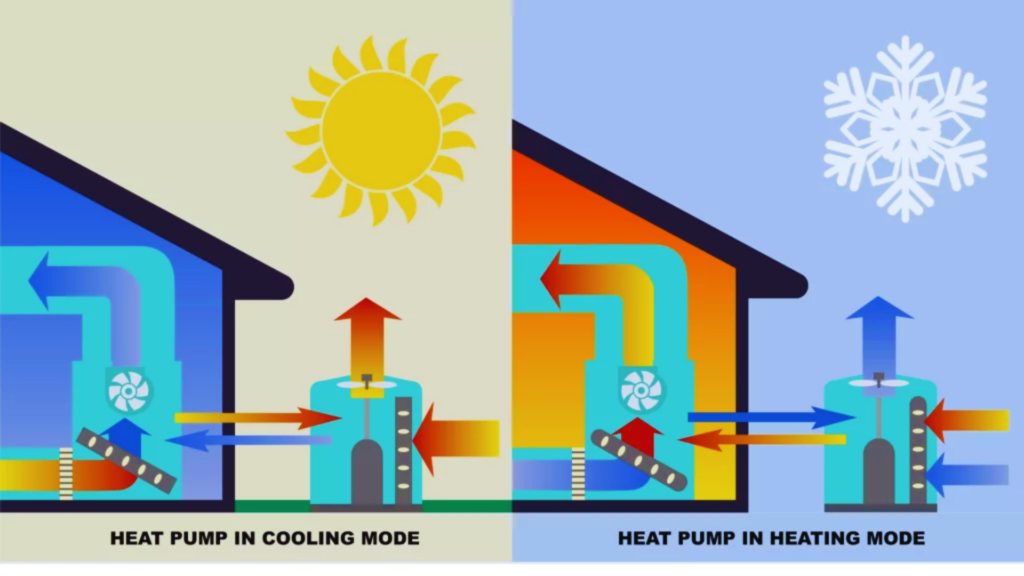
On the simplest level, a heat pump does not generate heat in the same sense that a furnace or a boiler does; it transfers heat around.
During summer, it acts as a high efficiency air conditioner and it draws the heat out of your house and out into the outside. During winter the opposite happens.
The heating system can still take advantage of the heat energy present in the air even when it is cold outside and the system captures that heat and moves it inside.
One can simply reason that a heat pump resembles a reversible AC system.
The heating and cooling are offered by the same equipment, and that is why many Livingston homeowners are replacing an old central air conditioner with one system and an old furnace at the same time.
The heat pumps of today are specifically built to suit such areas as New Jersey due to the cold climate. These systems have high-tech compressors and refrigerants that enable them to maintain steady heat long after they have gone below the freezing point.
Although efficiency does decrease with the lowering temperatures, with the right choice of units, most of a typical Livingston winter can be met without having to depend on the backup heat.
In the case of local homes, heat pumps are typically installed in the following configurations: fully ducted systems, where the existing ductwork is utilized; ductless mini-splits, where the home lacks ducts or rooms that are difficult to condition; and dual-fuel systems, where the heat pump is combined with a gas furnace to provide flexibility. The correct setup is a choice that is dependent on the home and not the technology.
Are Heat Pumps a Good Fit for Livingston’s Climate?
Among the initial questions that Livingston homeowners raise is whether a heat pump is capable of making a home comfortable during a winter in New Jersey.
The answer to this question is yes, provided the system is designed to suit our climate. Although there are cold weather and some sub-freezing spells in North Jersey, Livingston does not have long spells of extreme sub-zero temperatures.
The heat pumps made in the modern cold climate are designed to sustain the useful heating output at temperatures that span the majority of Livingston winters.
When the weather becomes colder outside, efficiency will automatically decrease, and the system will still provide constant heat instead of switching on and off.
The heat pump does most of the heating season in properly installed systems without having to depend on backup heat.
Not only equipment is essential in performance, but proper sizing and system design are important. In some cases, homeowners compare heat pumps alongside traditional heating options before upgrading.
The level of insulation, air sealing, quality of the windows and duct condition contribute. Combining these factors, the heat pumps offer a more comfortable experience than the hot and cold swings that most homeowners experience with older furnaces.
Hear pumps can also be suitable in older Livingston homes provided that the appropriate setup is selected.
Houses that already have ductwork can be used with a ducted heat pump system, whereas homes that lack ducting, extensions, or rooms with persistent comfort problems can be served with ductless mini-splits.
The other popular solution in this respect is a dual-fuel heat pump system, in which the heat pump is used to deal with mild and moderate weather and the gas furnace is used on the coldest days.
This solution is reliable, comfortable, and flexible because the energy prices fluctuate, and winter performance is not compromised.
Heat Pump Pros and Cons for Livingston Homeowners
Heat pumps may be a great addition to most Livingston homes, though it is not a universal upgrade.
An accountable HVAC contractor ought to clarify the benefits as well as the tradeoffs to enable the homeowners to make informed choices regarding comfort anticipation, operating expenses, and future objectives.
Reduced operating cost is one of the primary reasons why homeowners are considering heat pumps. Since a heat pump does not generate heat, but transfers it, the system can produce two or three units of heat per unit of electricity consumed.
In the case of Livingston homes that are replacing older oil systems or inefficient furnaces, the efficiency can be translated into reduced monthly utility bills particularly in moderate weather conditions during winter.
The other advantage is ease. A heat pump system can be installed to offer both heating and cooling and this means that homeowners can upgrade an old air conditioner and heating system simultaneously.
Heat pumps are also more likely to provide more uniform comfort. They operate longer and at lower power instead of short, aggressive heating cycles and contribute to the minimization of temperature swings and the elimination of the blast-then-chill effect of older furnaces.
Heat pumps are also beneficial to energy efficient home heating and electrification. With the electrical grid in New Jersey continuously becoming better, a large number of home owners are finding it convenient to minimize the carbon footprint of their home without compromising comfort.
Furthermore, numerous eligible heat pump systems qualify as federal tax credits and New Jersey incentive programs, which may offset the cost of installation.
With that said, it has significant tradeoffs. The cost of heat pumps is usually higher than a simple replacement of a furnace or an air conditioner, although incentives can narrow the gap.
Efficiency is also reduced on the coldest days of winter, so some Livingston homes have a backup or auxiliary heat, such as dual-fuel.
Lastly, appropriate design, sizing and installation are essential in system performance. The most frequent complaint that homeowners have expressed with heat pump systems is poor installation.
Heat Pump Costs, Savings, and Incentives in New Jersey
Cost is often a significant factor when the owners of Livingston homes make a comparison between heat pumps and the conventional heating systems.
One should consider both short-term investment and the long-term operating expenses, as heat pumps are likely to redirect the costs on monthly payments to initial costs.
The overall price of a heat pump system is based on a number of variables, such as the size of the house, the ability to reuse the existing ductwork, and the type of system (ducted, ductless, or part of a dual-fuel system).
Overall, heat pumps can be quite expensive to install compared to a simple furnace or air conditioner replacement.
The IRS outlines federal energy efficiency tax credits available for qualifying heat pump installations under current federal law.
They are, however, also less expensive to run in the long run since they do not produce heat, but rather they transfer it.
Many homeowners in New Jersey are realizing substantial savings in relation to the old oil or inefficient gas systems, particularly in mild and moderate weather, when the cost of electricity and gas is variable.
The economics can be enhanced by the use of incentives. The qualifying high-efficiency heat pumps can receive federal income tax credits under the Inflation Reduction Act up to 2032.
The homeowners in New Jersey can also receive incentives via the statewide energy-efficiency programs and local utility programs. Although the rebate value and eligibility varies with time, such programmes have the potential of lowering the initial cost and reducing the payback period.
Due to the differing incentives and operating costs, a local contractor will be able to assist Livingston homeowners to evaluate the existing programs, estimate the attainable savings, and decide whether a heat pump is a cost-effective upgrade to their particular home.
New Jersey homeowners can review current heat pump incentives and efficiency programs through the New Jersey Clean Energy Program.
Choosing the Right Heat Pump for Your Livingston Home
The choice of the appropriate heat pump does not involve choosing a brand or model on a list. It begins by knowing how your Livingston home is constructed and how you actually utilize it in your day to day life.
The reason why a qualified local HVAC contractor considers the entire picture before making any recommendation is that the performance of a heat pump is closely related to proper design.
The size and the layout of the home, the level of insulation, and the extent to which the building envelope is closed are some of the key factors.
Well-insulated homes with few air infiltrations enable heat pumps to work more effectively and keep the comfort constant.
Another significant factor is existing ductwork. Under-sized, leaky, or poorly-laid-out ducts can restrict performance, whereas well-designed duct systems may be easily compatible with modern heat pumps.
Ductless systems can be a more suitable choice in homes that do not have ducts, or additions and bonus rooms.
The heating system that you have now also counts. The largest enhancement is usually experienced in homes that have old gas or oil furnaces which are upgraded whereas newer systems might require a hybrid solution.
The evaluation should also include comfort problems like uneven temperatures, humidity problems, and sound sensitivity.
Homeowner priorities are equally significant, be it the lowest initial cost, energy savings in the long run, the smallest carbon footprint, or a combination of all three.
The dual-fuel system of a heat pump would be practical in most New Jersey homes. Under this arrangement, the heat pump will be used to provide heating in mild and moderate cold weather, and a gas furnace will automatically be used on the coldest days.
To Livingston homeowners, this method is a reliable source of comfort, flexibility with variations in energy prices, and comfort in winter cold snaps.
What to Expect During Heat Pump Installation in Livingston
An effective heat pump installation begins long before any equipment is installed. The initial one is a thorough home analysis; this entails a load calculation to establish the right system size.
This is done considering the square footage of the home, level of insulation, window efficiency, duct conditions and the general layout of the home.
It is important to size it properly; either an oversized or undersized heat pump may cause comfort problems, increased energy consumption, and unjustified wear.
After the system design has been completed, installation usually entails the removal of old equipment or the addition of the new heat pump to existing equipment in the event of a dual-fuel system.
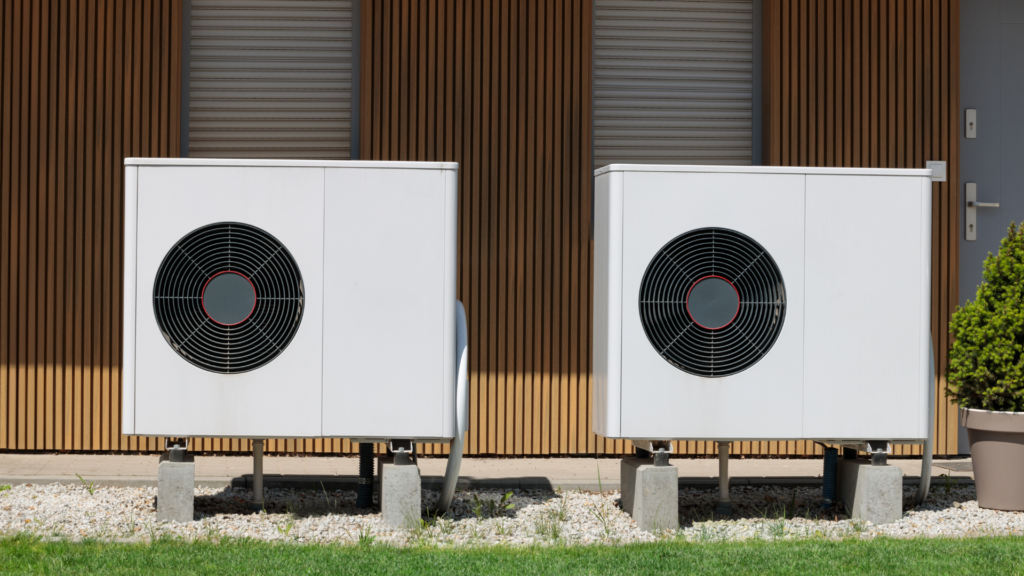
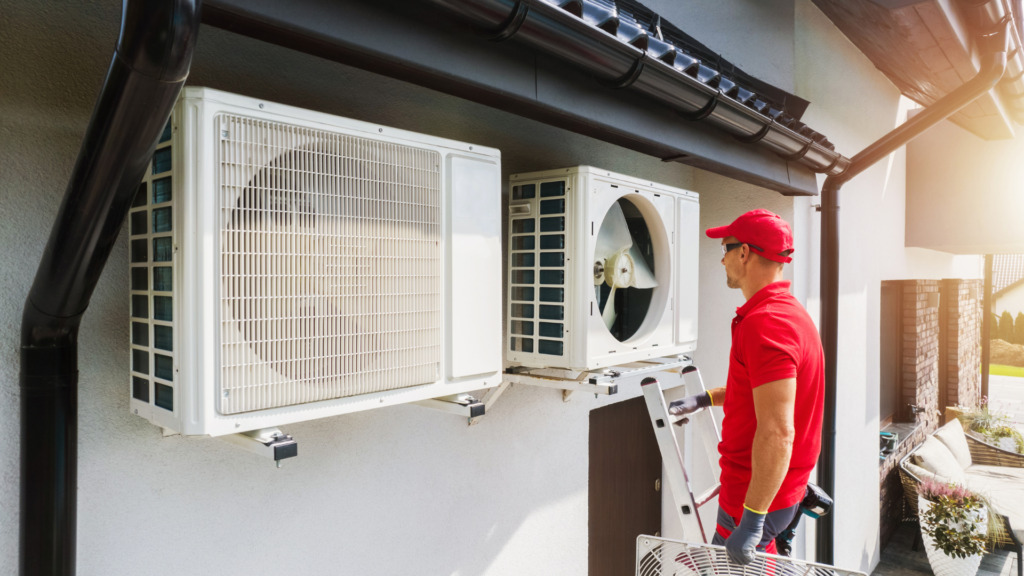
The outdoor units are placed in a well-thought manner so that they can have adequate airflow and produce the least noise, whereas the indoor parts are linked by refrigerant pipes, electric wires, and condensate drainage.
Thermostats and controls are enhanced to facilitate effective functioning and user-friendly scheduling.
Once installed, the system is completely tested to ensure airflow, heating and cooling output and control settings.
Homeowners are also taken through the operation of the system, how to change comfort settings and what to expect when changing seasons.
The higher-value homes of Livingston have experienced contractors who ensure that clean work practices, clear communication, and respect of the property are put into consideration during the project.
Frequently Asked Questions
Do heat pumps really work in New Jersey winters, or will my house feel cold?
Yes, modern cold-climate heat pumps are designed to handle New Jersey winters when properly sized and installed. While efficiency decreases during very cold weather, these systems continue providing steady heat for most Livingston winter conditions.
Will a heat pump replace both my furnace and my central AC?
In many homes, yes. A heat pump can provide both heating and cooling in a single system. Some homeowners choose a dual-fuel setup, where a heat pump handles most conditions and a furnace supports heating during the coldest days.
Is a heat pump a good option if my Livingston home is older or drafty?
Older homes can still be good candidates, but performance depends on insulation, air sealing, and system design. A local HVAC evaluation helps determine whether upgrades or a hybrid system are the best approach.
How loud is a modern heat pump, and will the outdoor unit bother my neighbors?
Today’s heat pumps are significantly quieter than older systems. When installed correctly and placed properly, most operate at noise levels similar to a central air conditioner.
What kind of maintenance do heat pumps need each year?
Heat pumps require regular professional maintenance, including coil cleaning, refrigerant checks, and electrical inspections. Routine service helps maintain efficiency and extends system life.
How long do heat pumps typically last in our climate?
With proper installation and maintenance, many heat pumps last 12–15 years or longer in New Jersey’s climate, comparable to traditional HVAC systems.
What rebates or tax credits can I get for a heat pump in New Jersey right now?
Qualifying systems may be eligible for federal tax credits and New Jersey incentive programs, though availability and amounts change. A local contractor can help homeowners review current options and paperwork.


