Most winter boiler breakdowns are not bad luck. They are the result of skipped maintenance and ignored warning signs in the fall.
When temperatures drop, boilers are pushed to their limits. Weak components fail fast. Pressure issues show up overnight. Small leaks become system shutdowns.
A pre-winter boiler checklist exists for one reason: to prevent predictable failures before freezing weather exposes them.
Boilers that appear “fine” in October often fail in December because demand increases, tolerances shrink, and safety controls trip. If your system is ten years old or more, the risk is higher.
Skipping boiler maintenance before winter almost always costs more than doing it properly. Emergency calls commonly run $500 to $1,000 or more, not including damage from frozen pipes or extended heat loss.
Homeowners with aging systems or unresolved issues should consider scheduling professional boiler service before winter, when small problems can still be corrected without emergency conditions.
Efficiency also drops. A neglected boiler can waste 20 to 30 percent more fuel during peak heating months.
This guide is direct and intentional. It focuses only on checks that matter, what homeowners can safely inspect themselves, and where to stop and call a professional. Follow it now, before winter sets the rules. Ignore it, and the boiler will decide for you.
Why Winter Boiler Prep Matters Now
Winter does not cause boiler problems. It exposes them.
Cold weather increases runtime, pressure, and system demand. Components that barely held together during mild months fail once the boiler is asked to work continuously.
This is when pressure drops trigger lockouts, sediment restricts flow, vents ice over, and safety controls shut the system down. These failures are not sudden. They are delayed.
Boiler maintenance before winter matters because once temperatures stay below freezing, you lose flexibility. Parts are harder to source, emergency schedules fill up fast, and even simple fixes become costly after hours.
What could have been handled during a routine visit in the fall often turns into a midnight call with premium rates.
Efficiency is another problem homeowners underestimate. A boiler that has not been checked, cleaned, or properly pressurized can waste 20 to 30 percent more fuel during winter.
That loss compounds every day the system runs. By the time you notice higher bills, the damage is already done.
Skipping winter boiler preparation also increases safety risks. Blocked flues, unstable ignition, failing pressure relief valves, and undetected leaks are far more dangerous under sustained load. These are not issues to “wait and see” once winter arrives.
Prolonged operation of heating systems during winter increases the impact of combustion and ventilation issues, which are widely documented causes of carbon monoxide exposure in residential homes.
This is why a pre-winter boiler checklist is not optional maintenance. It is risk control. Address problems now, while conditions are stable and repairs are manageable. Wait until winter, and the system will fail on its terms, not yours.
If your boiler is part of a larger heating system showing performance issues, a full heating system inspection can identify risks before cold weather removes your options.
Essential Tools for Your Boiler Inspection
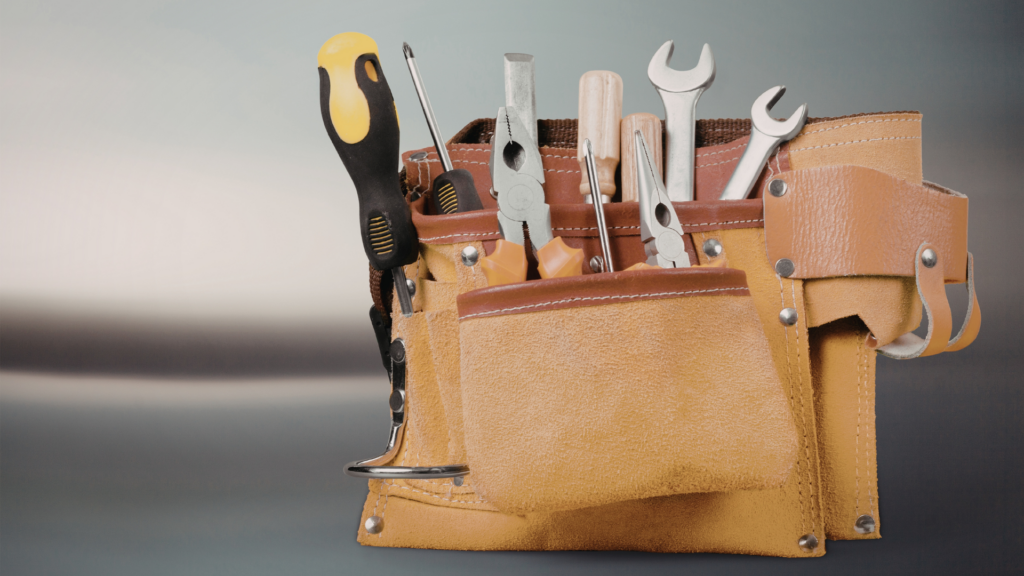
You do not need a truck full of equipment to do a proper pre-winter check. You do need the right basics. Without them, you are guessing, and guessing costs money in winter.
These tools are used for visual confirmation, pressure awareness, and early leak detection. Nothing more.
Have these ready before you start:
- Torch or flashlight: Boilers fail in dark corners. You need clear visibility around valves, piping, vents, and the base of the unit.
- Pressure gauge or built-in gauge access: Pressure tells the truth. If you cannot confirm system pressure, you are blind to one of the most common winter failure points.
- Leak detector wipes or dry paper towels: Small leaks do not drip. They stain, crust, and evaporate. Wipes expose problems your eyes miss.
- Basic screwdriver set: Used only for access panels and visual inspection. No disassembly. If tools beyond this are required, you stop.
Quick Reference Tool Table
| Tool | Purpose | Cost Estimate |
| Torch / Flashlight | Inspect dark areas, valves, vents | $10 |
| Pressure Gauge / Built-in Gauge | Confirm operating pressure | $0–$25 |
| Leak Detector Wipes | Identify slow leaks and seepage | $5 |
| Screwdriver Set | Remove access panels only | $10 |
If you find yourself needing specialty tools, force, or adjustments you do not fully understand, that is not “DIY.” That is the line where professional service starts.
Step-by-Step Pre-Winter Boiler Checklist
This is the part that actually prevents breakdowns. Follow the steps in order. Do not skip around. Do not improvise. If a step fails, stop and call a professional.
- Check Thermostat Operation and Calibration: Set the thermostat higher than room temperature and confirm the boiler responds immediately. Delayed starts, short cycling, or no response means control issues that will worsen in cold weather. Replace batteries if applicable. If the thermostat does not reliably call for heat, nothing else matters.
- Inspect the Boiler Exterior for Leaks or Corrosion: Look around the base, fittings, valves, and pipe joints. White residue, rust streaks, or moisture stains indicate slow leaks. These often expand once winter pressure increases. Any active leak is a stop point.
- Verify System Pressure: Most residential boilers should operate between 1.0 and 1.5 bar when cold. Below this range, the system may lock out. Above it, safety valves may discharge. If pressure will not stabilize, do not keep refilling. That creates bigger problems.
- Bleed Radiators Where Needed: Air reduces heat output and strains the boiler. Bleed radiators until water flows cleanly. Recheck system pressure afterward. If air returns quickly, there may be a deeper issue.
- Inspect the Flue and Venting: Make sure exhaust vents are clear, properly connected, and free of debris. Blocked or partially blocked vents are dangerous and will shut systems down once condensation freezes.
- Check Pilot Light or Ignition System: For older systems, confirm the pilot is stable and blue. For electronic ignition, listen for consistent startup. Repeated clicking or delayed ignition means service is needed.
- Listen During Operation: Knocking, gurgling, or whistling noises point to trapped air, scale buildup, or circulation problems. These do not fix themselves in winter.
- Confirm Safety Valve Condition: The pressure relief valve should be dry and free of corrosion. Any discharge means pressure problems that must be addressed before winter.
- Insulate Exposed Pipes: Any pipe in unheated spaces is vulnerable. Insulation is cheap. Frozen pipes are not.
- Schedule Annual Professional Service: If your boiler has not been professionally serviced in the last 12 months, this is not optional. DIY checks do not replace combustion analysis, internal cleaning, or safety testing.
This checklist reduces risk. It does not eliminate it. If pressure will not hold, ignition is unstable, or leaks are present, stop. Winter is not forgiving, and boilers do not give second chances.
Signs Your Boiler Needs Professional Attention
Some problems are obvious. Others are subtle but far more dangerous. If you notice any of the signs below, the checklist stops here. Do not wait for winter to “see what happens.”
- Unusual noises: Banging, kettling, gurgling, or whistling sounds point to air in the system, sludge buildup, or failing internal components. These issues get worse under sustained winter load.
- Pressure that will not stay stable: If system pressure drops repeatedly or spikes after refilling, there is an underlying fault. Constantly topping up the boiler is not a solution. It accelerates failure.
- Inconsistent heat or cold radiators: Uneven heating usually means circulation problems, trapped air, or internal blockages. Ignoring this strains the boiler and shortens its lifespan.
- Unusual smells: Metallic, burning, or gas-like odors are immediate stop signals. Ventilation, combustion, or fuel delivery issues are not DIY territory.
- Frequent lockouts or error codes: Modern boilers shut down for a reason. Repeated resets mean the system is protecting itself from a condition that will not fix itself.
- Visible corrosion or water discharge: Rust on components, damp insulation, or water from the pressure relief valve indicates active deterioration. Winter will accelerate it.
How often should a boiler be professionally serviced?
At least once per year, before the heating season begins, following manufacturer guidelines. Annual service is not upselling. It is baseline risk management.
If any of these signs are present, delaying service is not saving money. It is gambling with higher repair costs, loss of heat, and potential safety hazards.

Cost-Saving Tips & Common Mistakes
Most winter boiler failures are expensive for a predictable reason: early warning signs were ignored. Pressure fluctuations, minor inefficiencies, and exposed piping are rarely urgent in mild weather, but winter removes that buffer fast.
One of the most common mistakes is treating pressure drops as normal. Repeatedly refilling the system without fixing the underlying cause introduces fresh water, oxygen, and minerals that accelerate internal corrosion.
What starts as a minor pressure issue often ends as a failed component mid-season.
Another frequent oversight is skipping pipe insulation. Any pipe running through unheated areas is vulnerable once temperatures stay below freezing.
Pipe insulation is inexpensive, quick to install, and one of the highest return preventive steps a homeowner can take. Frozen pipes, by contrast, rarely result in simple repairs.
Many homeowners also assume that if the boiler worked last winter, it will work again. That assumption fails as systems age.
Components weaken gradually, efficiency drops quietly, and problems surface only when demand peaks. Past performance does not protect against current wear.
The biggest cost mistake is delaying professional service until something breaks. Once winter hits, service schedules tighten and emergency rates apply.
Winter demand often exposes problems across multiple systems, including water heaters that struggle under increased usage, making fall maintenance the safest time to address related failures.
What could have been handled calmly during fall maintenance often turns into an urgent, expensive repair.
Proper pre-winter preparation reduces emergency calls, lowers fuel consumption, and extends the life of the boiler.
Even basic DIY checks, combined with timely professional service, can cut winter heating costs by up to 15 percent while dramatically lowering breakdown risk.

Frequently Asked Questions
How often should a boiler be serviced?
At least once per year, ideally before winter begins. Annual service is required by most manufacturers to maintain efficiency, safety, and warranty coverage. Skipping it increases the risk of breakdowns when the system is under peak demand.
Can I prepare my boiler for winter myself?
You can perform basic visual checks, pressure monitoring, radiator bleeding, and pipe insulation. You cannot safely test combustion, internal components, or safety controls. DIY preparation reduces risk, but it does not replace professional service.
What boiler pressure is considered normal before winter?
Most residential systems should read between 1.0 and 1.5 bar when cold. Pressure consistently below or above this range indicates a problem that should be addressed before winter. Repeatedly refilling the system is not a fix.
Is it safe to run a boiler with low pressure during winter?
No. Low pressure can cause heat loss, lockouts, and system shutdowns. It also places extra strain on internal components. If pressure will not hold after refilling, professional service is required.
What happens if I skip pre-winter boiler maintenance?
You increase the likelihood of overnight failure, emergency repair costs, higher fuel consumption, and potential safety issues. Most winter boiler emergencies are the result of problems that were detectable weeks earlier.
Do newer boilers still need pre-winter checks?
Yes. While newer boilers are more efficient, they are also more sensitive to pressure instability, venting issues, and sensor faults. Age reduces risk, but it does not eliminate it.
When should I stop DIY checks and call a professional?
Immediately if you notice unstable pressure, ignition problems, unusual smells, water discharge, corrosion, or repeated error codes. These are not monitoring issues. They are failure warnings.


