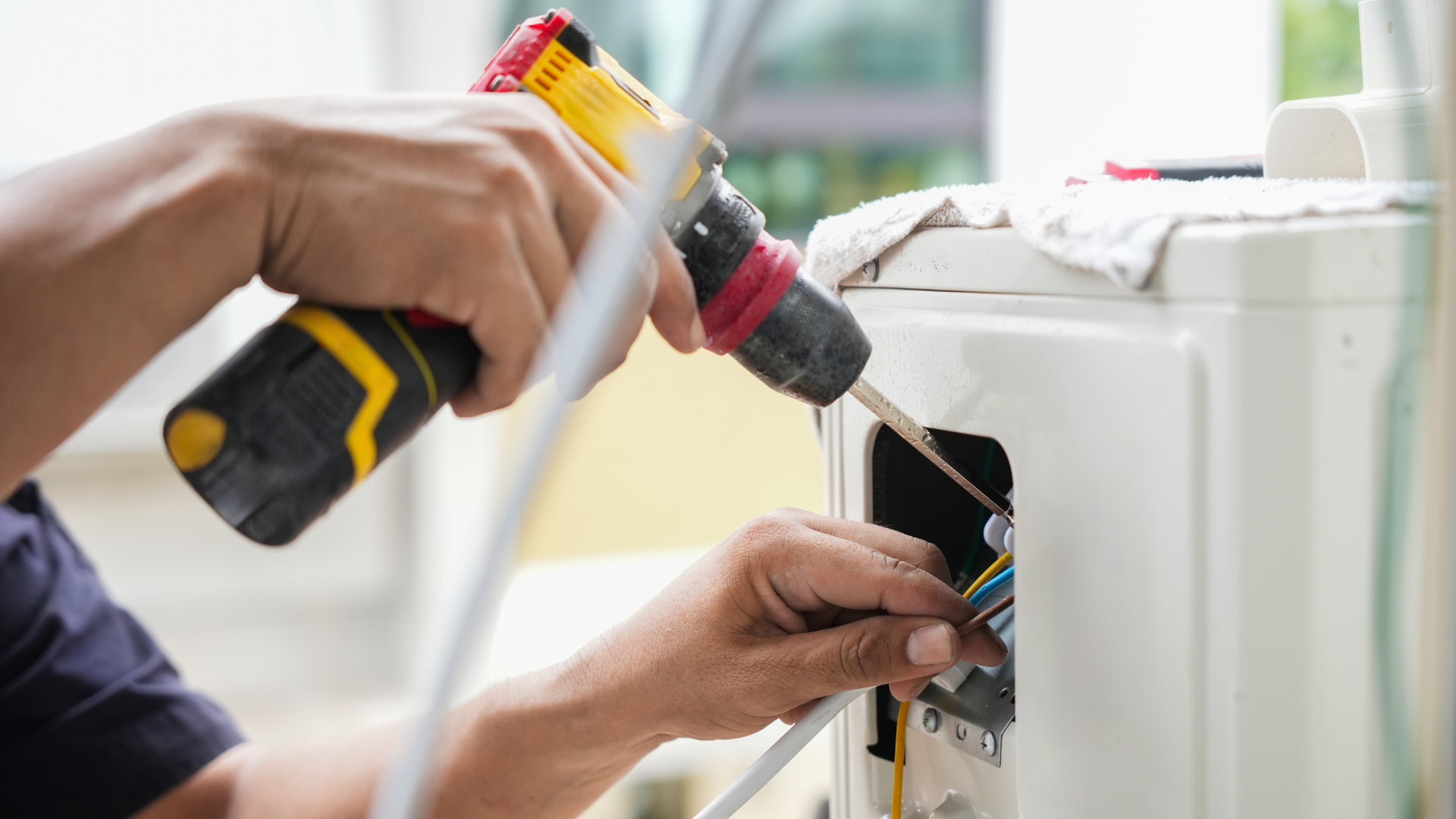
If you need AC installation in Short Hills, NJ, we install the system correctly, proper sizing, clean workmanship, and full testing. That means more consistent cooling, better humidity control, lower energy waste, and fewer breakdowns caused by poor installation.
Queen B Plumbing, Heating & Cooling installs central AC systems, ductless mini-splits, and high-efficiency upgrades for Short Hills homeowners. You get a clear recommendation based on your home’s layout and comfort goals, then a professional installation that follows code and manufacturer requirements.
Need repair or maintenance instead of a full replacement? See our full range of air conditioning services to compare your options before you book an installation.
Call (908) 633-1333 to schedule an in-home assessment or request a free quote.
Why Choose Professional AC Installation in Short Hills?
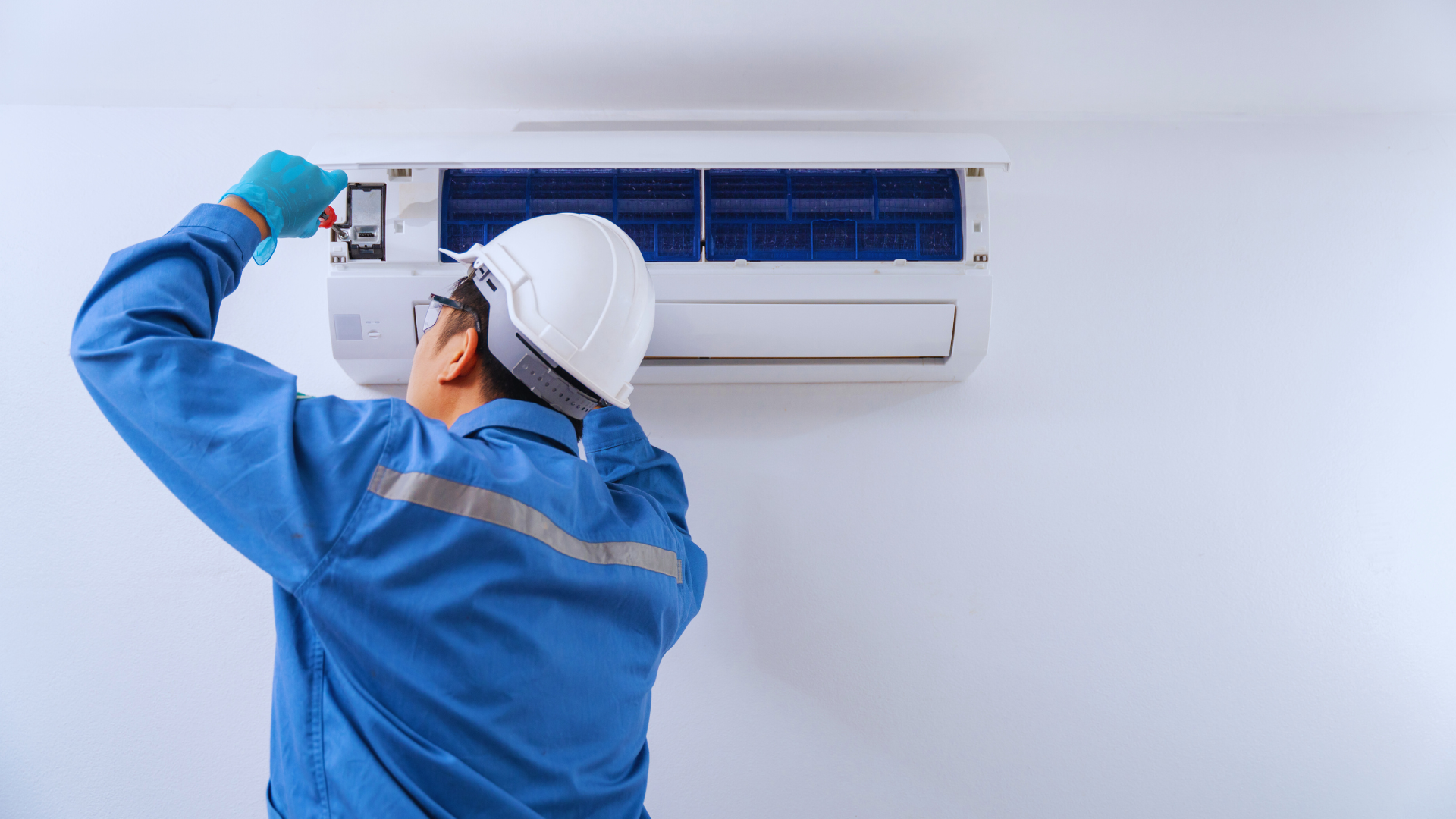
Professional installation matters because most AC problems start with the setup, not the brand.
If the system is oversized, undersized, or installed with poor airflow and drainage, you get uneven cooling, higher energy use, short cycling, louder operation, and early component failure.
A correct install protects efficiency, comfort, and manufacturer warranty requirements.
Short Hills homes also have real variables that need to be planned for—larger square footage, multi-level layouts, additions, high ceilings, older ductwork, and higher expectations for quiet operation and clean finishes.
We install with humidity control in mind, verify airflow and temperature split during startup, and make sure the system is matched to the home instead of guessing by square footage.
Proper sizing and load calculation
We perform a Manual J-style load calculation so the system capacity matches your home’s heat gain. This is the difference between steady comfort and an AC that constantly turns on and off, struggles with humidity, or can’t keep up in peak summer conditions.
Code-compliant, safe installation
AC installation involves electrical, refrigerant handling, condensate drainage, and thermostat controls. We install to code, follow manufacturer specifications, and check the details that prevent common issues like water leaks, nuisance shutoffs, and performance loss.
Testing, calibration, and clean finish
After installation, we test system operation, confirm proper airflow, verify temperature performance, and set up the thermostat correctly. You get a final walkthrough so you know what was installed, how it runs, and what to expect going forward.
Tailored AC Solutions for Short Hills Homes
Short Hills homes are not “standard installs.” Between larger square footage, high ceilings, big window walls, finished attics, and multiple levels, the wrong system choice or wrong sizing leads to uneven cooling, humidity that never feels under control, and higher operating costs.
This is why Short Hills AC installation should start with layout-driven planning, not a generic recommendation.
We install systems that fit the way Short Hills homes are built and lived in older colonials with tight attic access, mid-century layouts that need room-by-room control, and newer luxury builds where quiet operation and clean aesthetics matter.
That includes retrofitting central air where ductwork allows it, adding ductless mini-splits for additions or problem rooms, and setting up smart thermostats and zoning when the home needs better temperature balance.
In neighborhoods around Hartshorn, along Hobart Avenue, and near Morris Turnpike, we regularly see older duct systems that were never designed for modern cooling demands.
We handle ductwork limitations without cutting corners, plan equipment placement to protect finished spaces, and complete installations in a way that respects the home’s structure and appearance, especially near high-visibility areas around Short Hills Mall, Canoe Brook Country Club, and the South Mountain Reservation area.
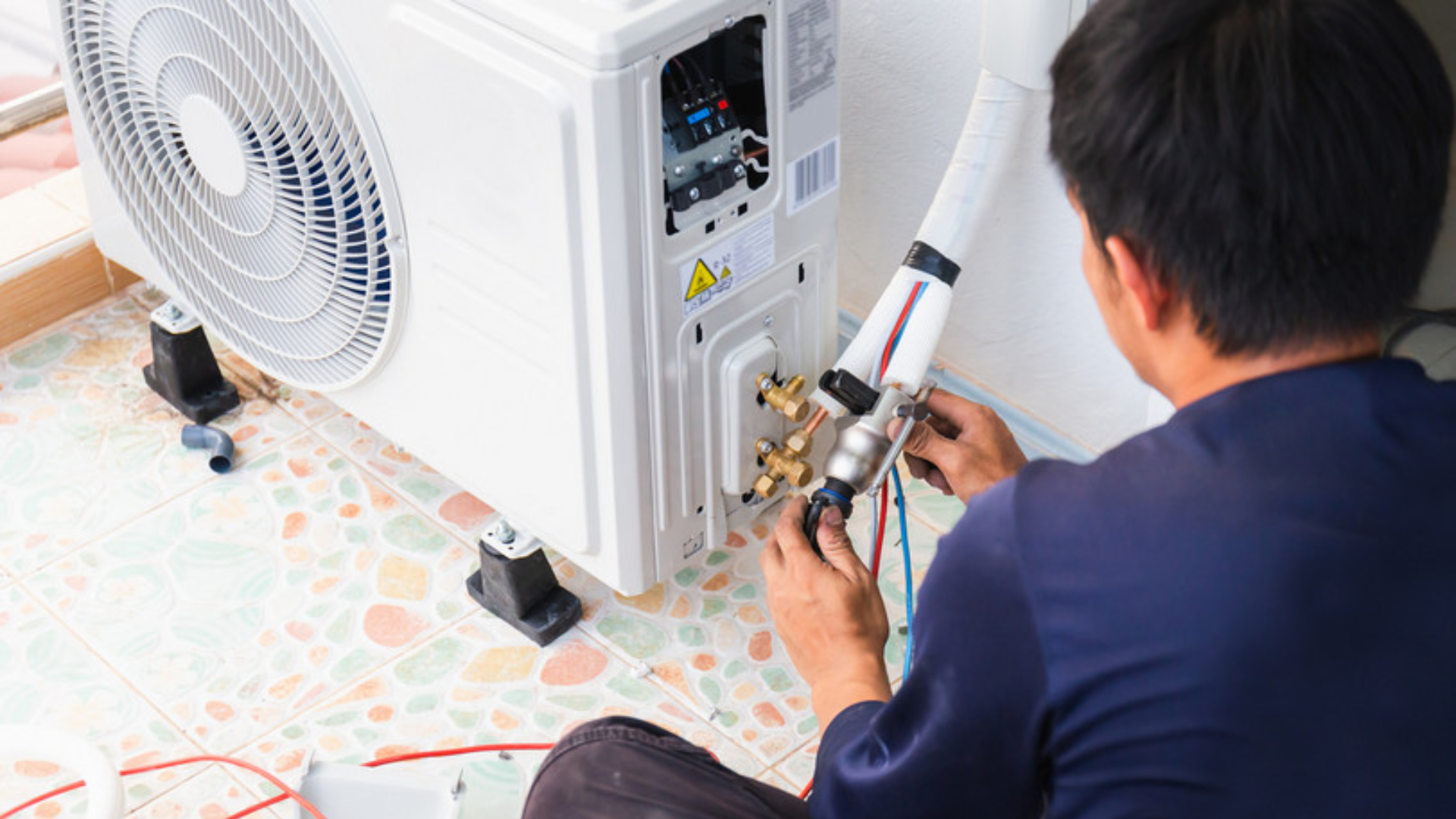
Our AC Installation Process (Step-by-Step)
AC installation should be predictable. You should know what happens, what you’re paying for, and what gets verified before we consider the job complete. Our process is built to prevent the common failures that come from rushed installs, incorrect sizing, and skipped testing.
In Short Hills, we also plan for the realities of larger homes and finished spaces. That means protecting floors and work areas, keeping disruption controlled, and making sure the final setup delivers even cooling and stable humidity—not just cold air at the closest vent.
Step 1: In-home assessment and load calculation
We evaluate the home layout, insulation, windows, ductwork condition, electrical readiness, and the comfort problems you want to fix. We size the system using a load calculation approach (Manual J) so capacity matches the home’s actual cooling demand.
Step 2: System selection and scope confirmation
We recommend the right system type for the home: central AC, ductless mini-splits, or high-efficiency heat pump options. We confirm equipment sizing, efficiency range, thermostat controls, and any required add-ons such as duct modifications, condensate upgrades, or electrical work so the scope is clear before installation day.
Step 3: Installation and integration
We set and secure equipment, connect refrigerant lines, handle condensate drainage correctly, integrate electrical and safety controls, and install or configure the thermostat. If ductwork needs adjustments for airflow or balance, we address it during installation instead of leaving performance problems behind.
Step 4: Startup testing, calibration, and walkthrough
We start the system, verify operation, confirm airflow and temperature performance, check for leaks and drainage issues, and ensure the thermostat is programmed correctly. Before we leave, we walk you through the system basics, what to monitor, and how to keep performance consistent.
Types of AC Systems We Install
Short Hills homes vary by layout, ductwork condition, ceiling height, window exposure, and the number of levels that need consistent cooling. The right system is the one that matches the home’s load and solves the comfort problem without creating new issues like short cycling, humidity complaints, or noisy operation.
We install and replace the main AC system types used in Short Hills: central air conditioning systems, ductless mini-splits, and heat pump systems. Each option fits a different situation, and we recommend based on sizing, airflow, efficiency, and long-term operating cost.
System Type | Best For | Typical Efficiency (SEER2) | Typical Installed Range (Short Hills homes)* |
Central AC | Whole-home cooling for larger homes with workable duct systems | 16–22 | $5,000–$12,000 |
Ductless Mini-Split | Additions, finished attics, hot rooms, or homes with limited ductwork | 18–25 | $3,000–$8,000 per zone |
Heat Pump | High-efficiency cooling with heating capability | 14–20 | $6,000–$15,000 |
Ranges vary based on home size and tonnage, equipment tier, ductwork or airflow corrections, electrical requirements, and thermostat/control options. Final pricing is determined after the in-home assessment and load calculation.
Energy Savings & NJ Incentives
Higher efficiency only pays off when the system is sized and installed correctly. That starts with matching capacity to your home and setting up airflow, drainage, and controls so the unit runs longer, steadier cycles instead of short cycling and wasting energy.
Efficiency ratings are now commonly shown as SEER2 for cooling (updated industry testing metrics). SEER2 became the standard efficiency metric after federal testing procedures changed in 2023.
When you compare options, we’ll focus on SEER2 and real comfort outcomes, humidity control, noise, and even temperatures, not just a bigger number on a brochure.
In New Jersey, incentives are typically tied to your utility territory and the exact equipment you install. For many homeowners, central AC incentives are modest (often up to about $200 per unit depending on the program), while heat pump and whole-home efficiency programs can be higher.
If you’re in a PSE&G area, there are HVAC instant rebate programs for qualifying high-efficiency equipment. Other NJ utilities also run ENERGY STAR-focused HVAC rebate programs (eligibility and amounts vary). We’ll tell you what applies to your address and equipment before you commit.
Important note for 2026 planning: the federal 25C “Energy Efficient Home Improvement” tax credit was terminated for property placed in service after December 31, 2025, so installs completed in 2026 generally won’t qualify under that credit.
Short Hills AC Installation Costs
AC installation pricing in Short Hills depends on what you’re actually installing and what the home needs to support it. The biggest pricing swings usually come from system size (tonnage), equipment efficiency tier, and whether any ductwork or electrical work is required to make the system run correctly.
For most Short Hills homes, a realistic installed range is about $4,000 to $15,000+. A straightforward replacement with existing ductwork in good shape will land toward the lower end. Larger homes, higher-efficiency equipment, duct modifications, zoning, or panel/electrical upgrades push the total higher. Final pricing should be based on an in-home assessment and a load calculation, not a phone guess.
What affects price most | What it changes |
Home size + load (tonnage) | System capacity, runtime, comfort consistency |
Equipment tier (SEER2/brand/features) | Upfront cost vs. operating cost |
Ductwork condition or modifications | Airflow balance, hot/cold spots, noise |
Electrical requirements | Safe startup, breaker capacity, code compliance |
Controls (smart thermostat / zoning) | Comfort control, room-to-room balance |
Condensate and drainage setup | Leak prevention, reliability |
Permits/inspection requirements | Compliance and documentation |
Customer Testimonials



Frequently Asked Questions
How long does AC installation take?
Do I really need a load calculation (Manual J)?
What size AC unit do I need for a Short Hills home?
Central AC or ductless mini-splits, what’s better?
Should I replace the indoor coil or air handler with the outdoor unit?
Will a new AC lower humidity better?
What SEER2 rating should I choose?
Do I need ductwork changes during installation?
Are permits required in the Short Hills / Millburn area?
Do you offer maintenance after installation?
Queen B Plumbing & Heating
Proudly Serving Short hills Area
Call Today (908) 633-1333
for A Free Quote